‘O Meistr Bugail, beth wnai’n awr,
‘Does yno’i fawr o awen,
Er pan glywais gynta’ son,
Eich bod chwi am gro’n fy nghefen.’
[Oh Master Shepherd, what shall I do now,
I have little spirit left in me,
Since first I heard tell,
You want the skin from my back.]
The nineteenth century ballad broadsheet cited above, held at the National Library of Wales, was inspiration and reference for a hyper-local broadsheet, Papur Brith, which I made in collaboration with children at Ysgol Mynach, folk singer Worldwide Welshman and farmers of Devil’s Bridge mart.
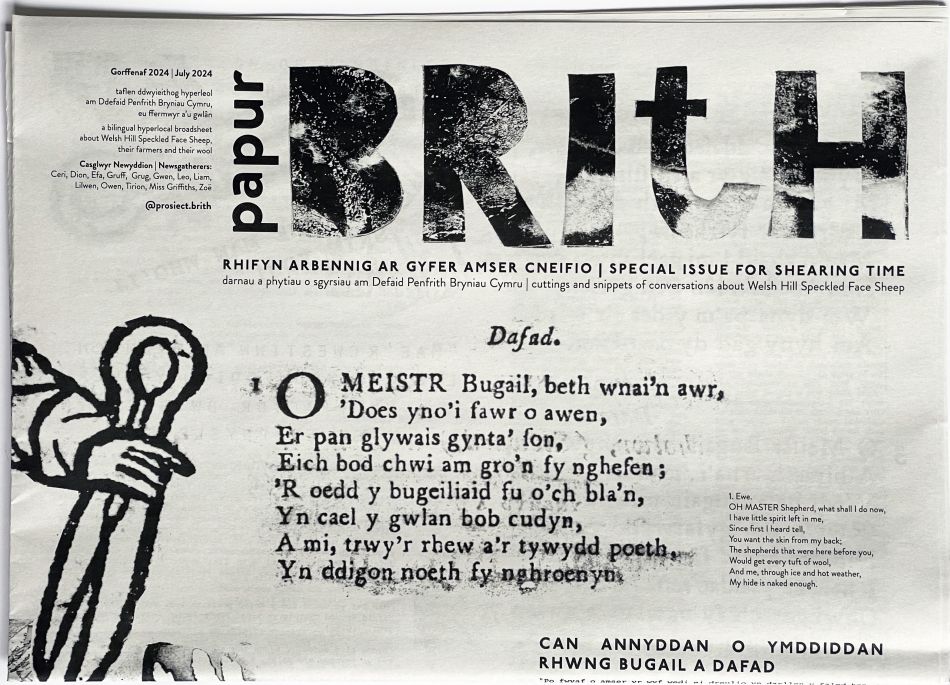
This broadsheet project formed part of my PhD research, which explores the contemporary relevance of old Welsh custom gwlana – woolgathering. Although woolgatherers were often penniless, farmers are said to have welcomed them with joy because they carried news, forming crucial connections between isolated rural communities, contributing to the resilience in the uplands for generations1. While news today is largely mediated from urban centres, perpetuating power imbalances that contribute to a disconnect between farmers and non-farmers, I suggest a woolgatherer’s way of conveying news still holds value.
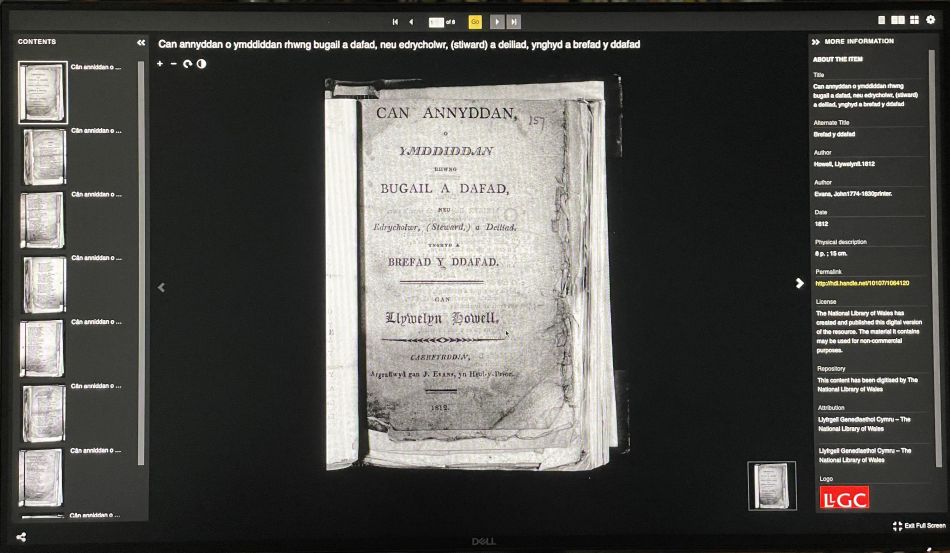
Where woolgatherers would have carried news in the form of ballads, I was surprised to find that only one ballad broadsheet at the National Library of Wales comes up under search terms ‘defaid/sheep’ or ‘gwlân/wool.’ This broadsheet contains two ballads – Cân Annyddan (a Sad Song), a conversation between a sheep and a shepherd who wants to ‘fleece’ her, and Brefad y Ddafad (Bleat of a Sheep), the song of a sheep calling her flock to come together to resist threats to their livelihood. Noticing that stories told by sheep farmers today echo those of the sheep (thinly veiled shepherds) in these ballads, I carried Cân Annyddan’s ‘old news’ to farmer Dafydd Morris-Jones. Dafydd, in turn, noticed that this ballad resonated with the story of the sheep breed he farms – the Welsh Hill Speckled Face. Bred in Devil’s Bridge in the nineteenth century for good wool on a hardy sheep, ‘speckles’ are now being replaced by meatier, less hardy breeds, with ecological consequences. Where such nuance is rarely picked up by mainstream news, I decided to ‘re-vision’2 the Cân Annyddan broadsheet for today, to convey local farmers’ stories of ‘speckles’ to their non-farming neighbours.
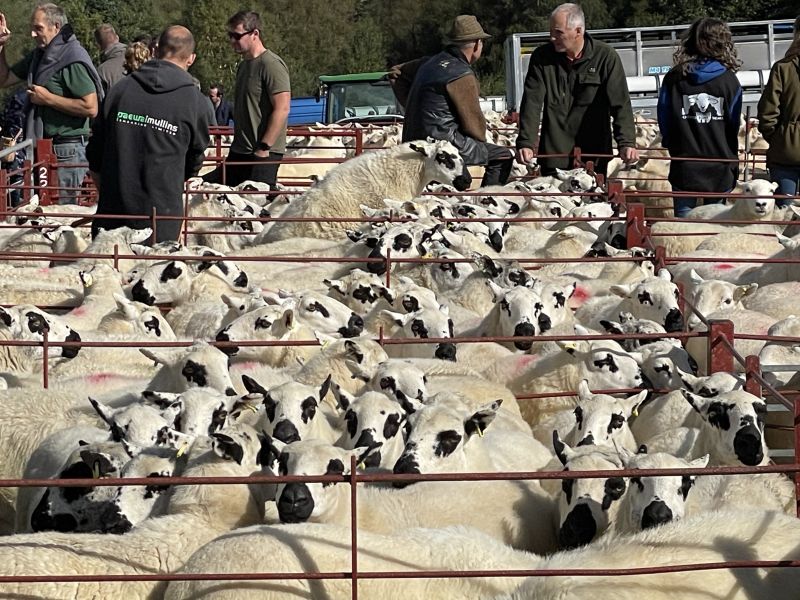
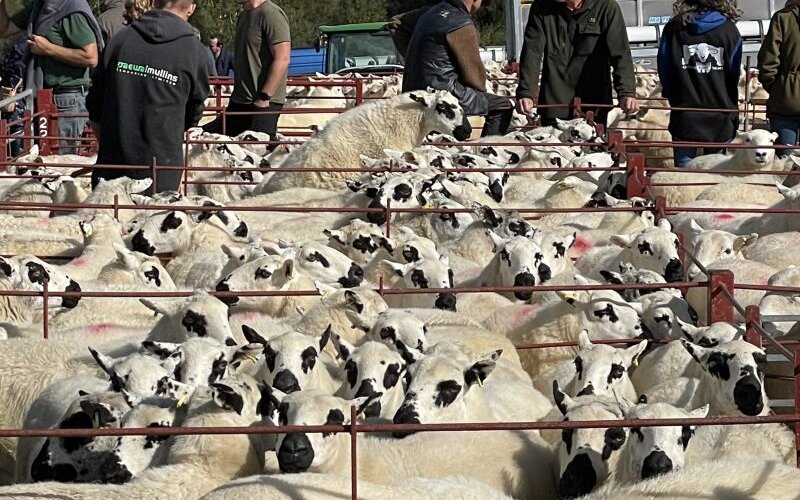
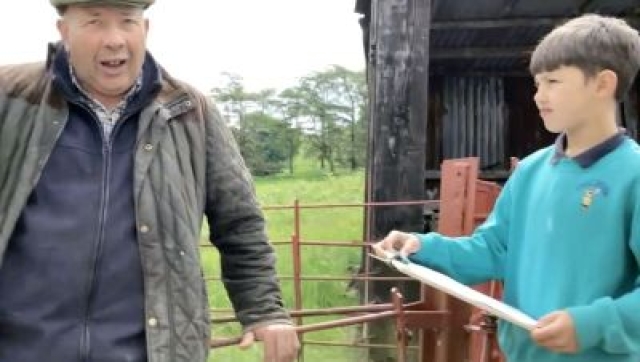
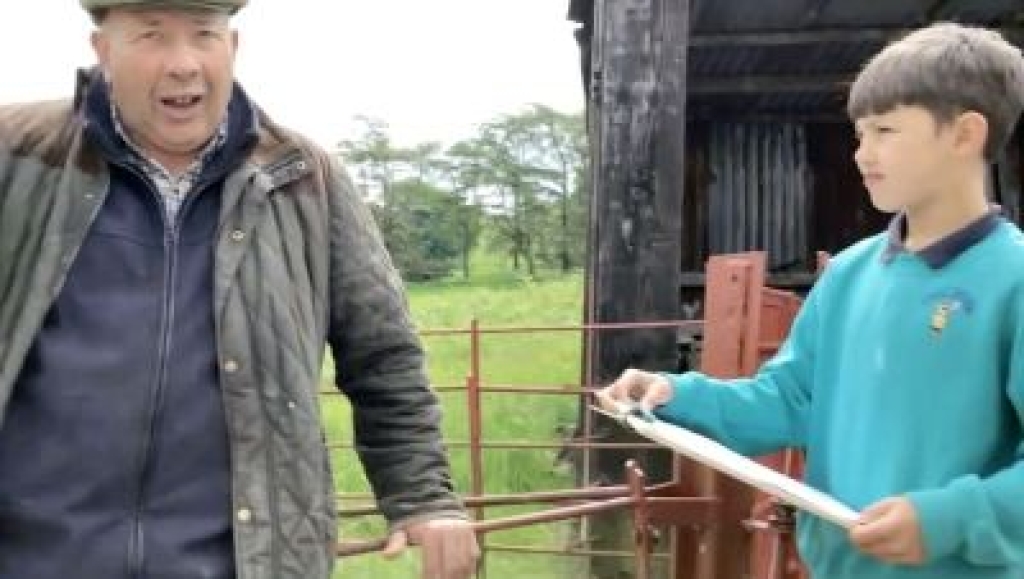
Dafydd’s mam, Delyth, introduced me to other farmers of ‘speckles’ at Devil’s Bridge mart and where woolgathering was intergenerational, I arranged to collaborate with Devil’s Bridge primary school, Ysgol Mynach. The children devised questions, based on the ballads, to ask the farmers on a visit to the mart. Their questions were disarmingly unexpected, engendering an openness and joy that contrasted strikingly with conventional media interviews with farmers. For me this demonstrated the value of intergenerational dialogue about land-use in shifting attention from individual struggles to common concerns about the vulnerability of future generations in the landscape...
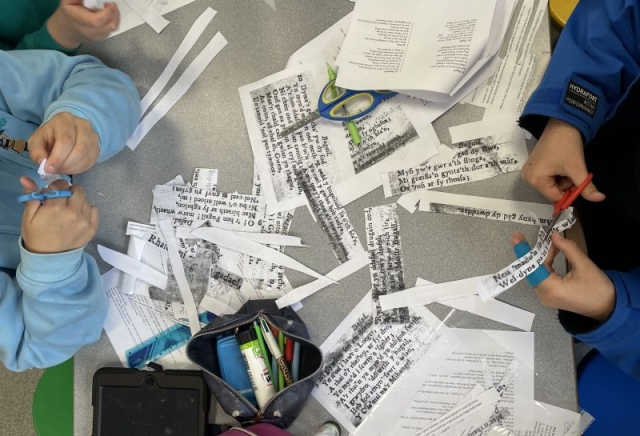

After their interviews the children cut-out and combined lines from the broadsheet and the interview transcripts to make ‘upcycled’ verses, and with Worldwide Welshman we set them to a tune. Finally, we performed our ballad at Devil’s Bridge mart and disseminated our broadsheet to a diverse local audience. Where the laughter and applause we received summoned, for me, the joy woolgatherers are said to have brought to farmers in the past, it struck me that throughout the project the ballad had been the ‘glue’ that held us all together.

1 Sara Minwel Tibbott, Domestic Life in Wales (University of Wales Press, 2002), 143
2 I refer here to a term used by feminist writer Adrienne Rich:‘Re-vision - the act of looking back, of seeing with fresh eyes, of entering an old text from a new critical direction.’ See: Adrienne Rich, ‘When We Dead Awaken: Writing as Re-Vision,’ College English, Vol. 34, No.1, Women, Writing and Teaching (Oct., 1972), pp.18-30.
Category: Article