Teacher Toolkit

Background

Text TBC

People's Collection Wales

Possible questions to discuss

  • What places in your local area are the most important to you, and why?
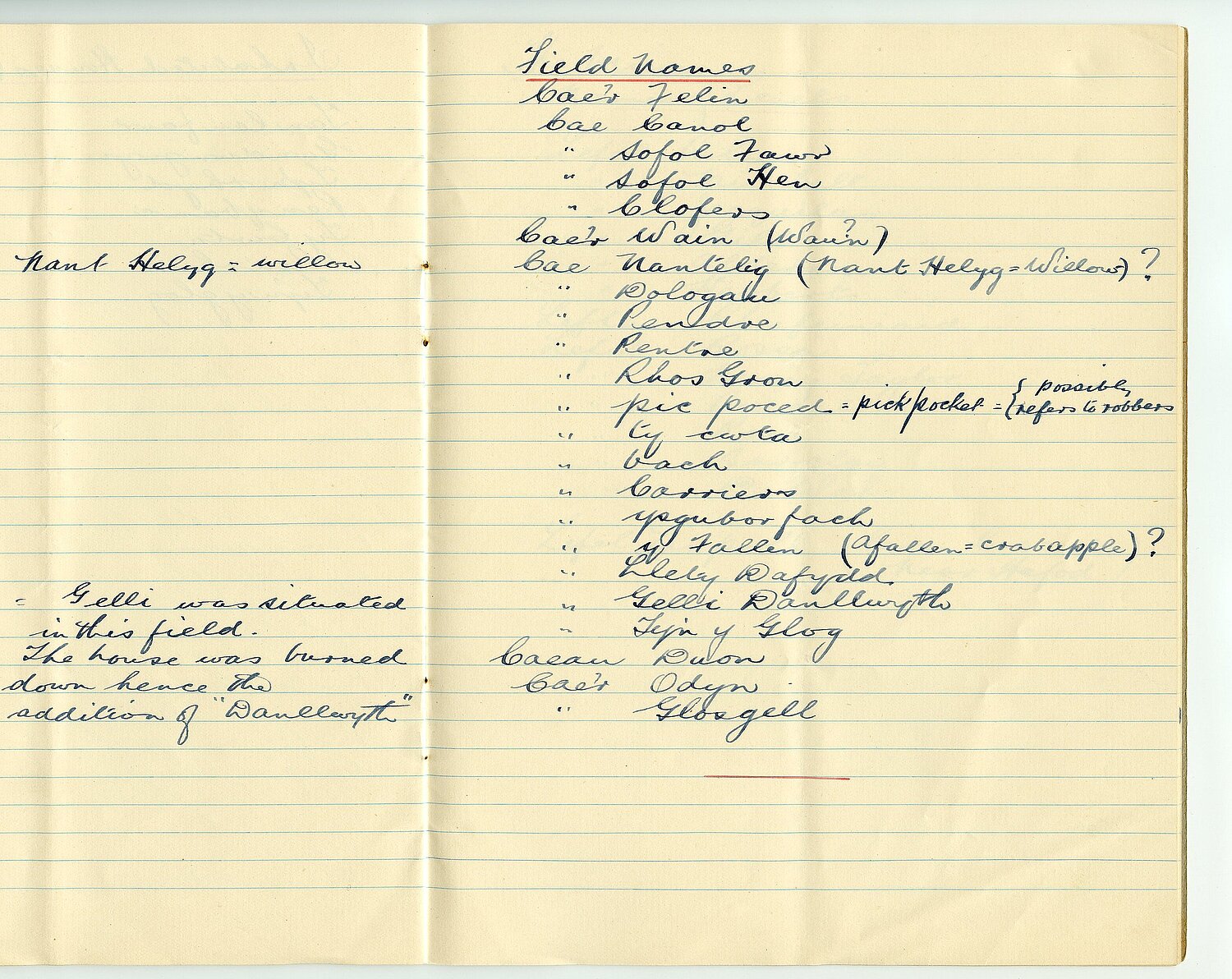
  • How many local fields, houses or streams can you name? What are their names?
  • Which local place names are you curious about? What do you think they might mean or where might they come from?
  • Are there buildings, paths, bridges, or landmarks in your area that look old? What do you think they were used for in the past?
  • Can you think of anything in your village/town that has changed since your parents or grandparents were young?
  • Why do you think your community developed where it is? (Near a river? Roadway? Farm? Industry?)
  • What natural features (rivers, hills, fields, coastlines) have shaped how your area looks and how people live?
  • How do you think life in your local area would have been different 100 years ago?
  • What stories or memories do people in your family have about where you live?
  • Are there any local traditions, festivals, or community events that feel unique to your area?
  • What would you like future generations to know about your community? What should be remembered?

Activities and experiences

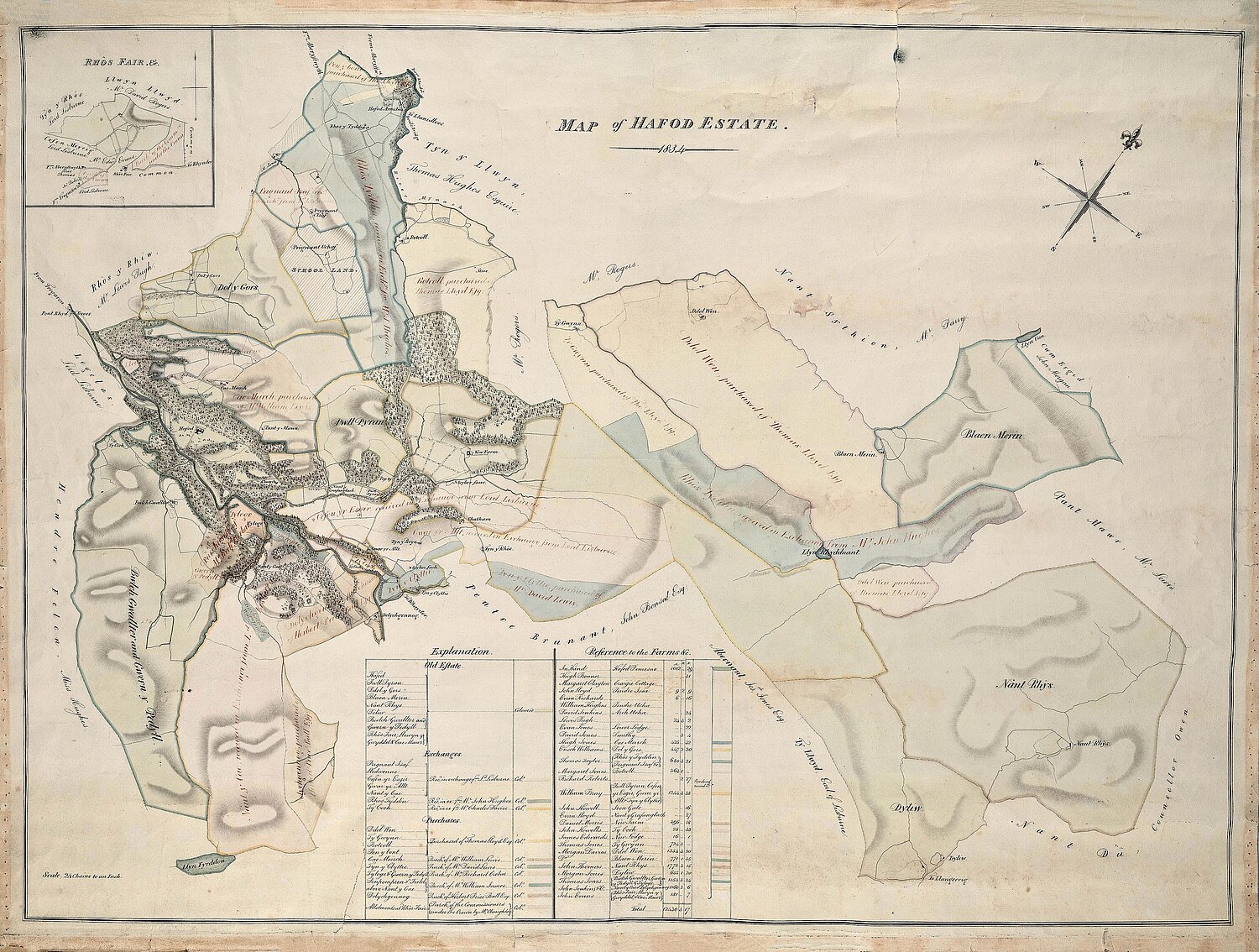
• Place-name detective work: Pupils choose local names (fields, farms, lanes, streams, houses) and research their origins — Welsh, Norse, Norman, English, descriptive, personal names, etc. 

• Create a “Local Names Map”: On a large printed map or digital map, pupils pin their research and add drawings or icons that illustrate the meaning of each name. 

• Then & Now Photo Comparison: Pupils bring in old photos from home/local archives OR use online archives. Compare with modern photos taken by the pupils. 

• Memory interviews: Pupils interview an older relative or community member: What was the village like? What’s changed? What’s stayed the same? 

• Reconstructing the Past: Pupils draw or model (e.g., in LEGO or cardboard) what they think the village looked like 50, 100, or 200 years ago. 

• Local fieldwork walk A guided walk to spot clues about the past: old walls, styles, bridges, wells, mills, chapels, boundaries. 

• Sounds of the Square Mile: Pupils record the natural and human sounds of the local area: birds, cars, machinery, river, schoolyard. Create a “sound map” of the village. 

• Make a “People of Our Place” book: Pupils write short profiles of real or imagined people connected to the area: a miner, a farmer, a shopkeeper, a grandmother, a schoolchild from 1900, etc. 

• Local Legends & New Legends: Study any local myths or folklore. Then have pupils write their own story set in their village. 

• Create a Class “Chronicle” of the Square Mile: Inspired by Community Records — pupils compile: Photos, drawings, maps, interviews, place‑name explanations, memories and short stories

Key concepts

(derived from the statements of what matters)

Humanities:
  • Investigate
  • Interpret
  • Change and continuity
  • Places
  • Human Impact on the World
  • Identity and Diversity
  • Cause and effect
  • Justice, inequality and rights
  • Social Action
  • Ethical and moral questions
Health and Wellbeing:
  • Communication, Help Seeking and Empathy
  • Informed Choices and the impact of decisions
  • Social Influences and Norms
  • Identity and Values
  • Rights and Respect
Language, literacy and communication:
  • Reading Strategies
  • Drawing conclusions
  • The effect of grammatical constructions of the meaning of texts
  • Responding to texts
  • Vocabulary Development
  • Communicate ideas and opinions (Oral)
  • Collaborate and negotiate
  • Writing for different purposes and audiences
The Local Area

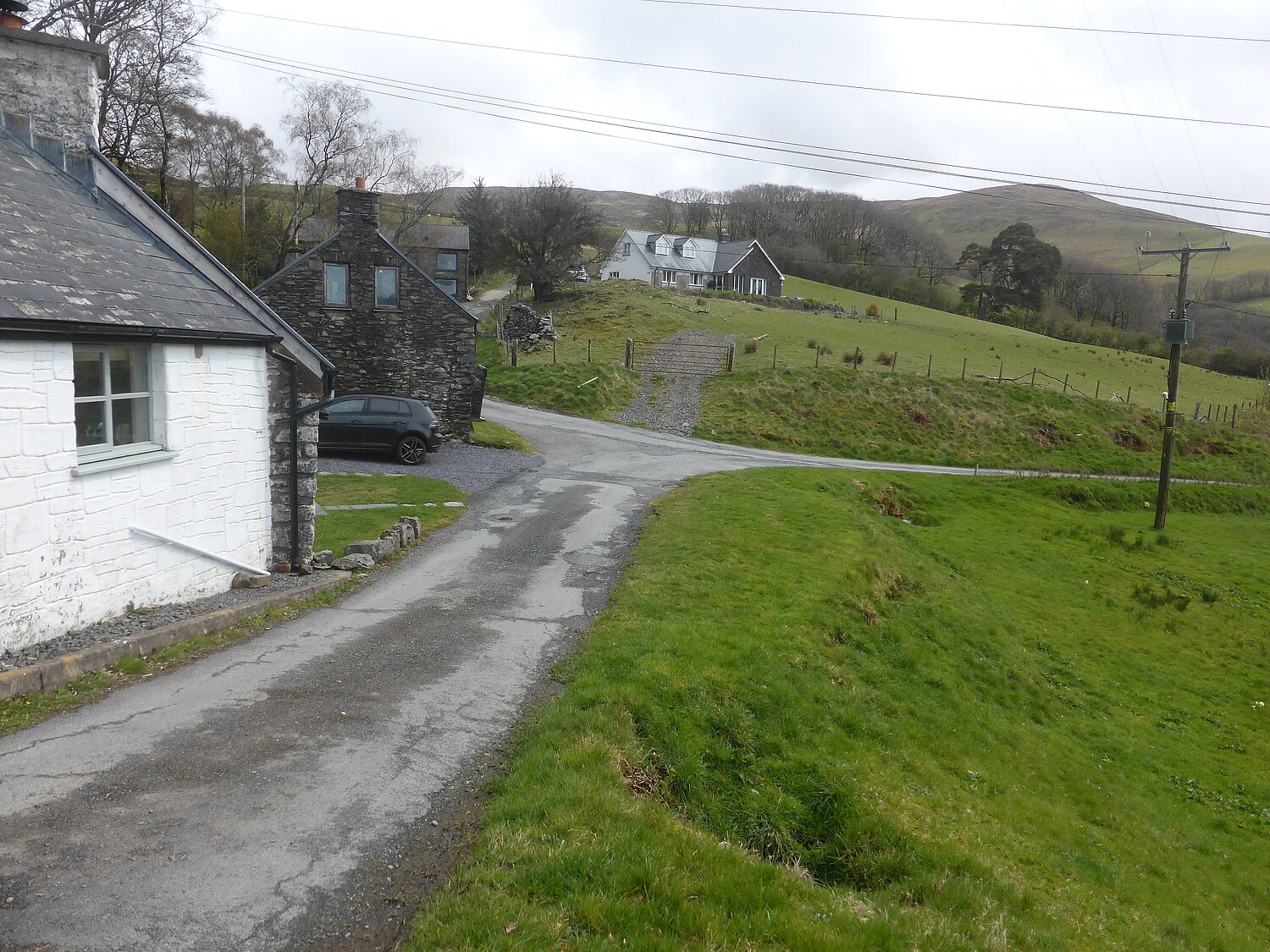
(short introduction to the area here and two images - one old, one new)

Work

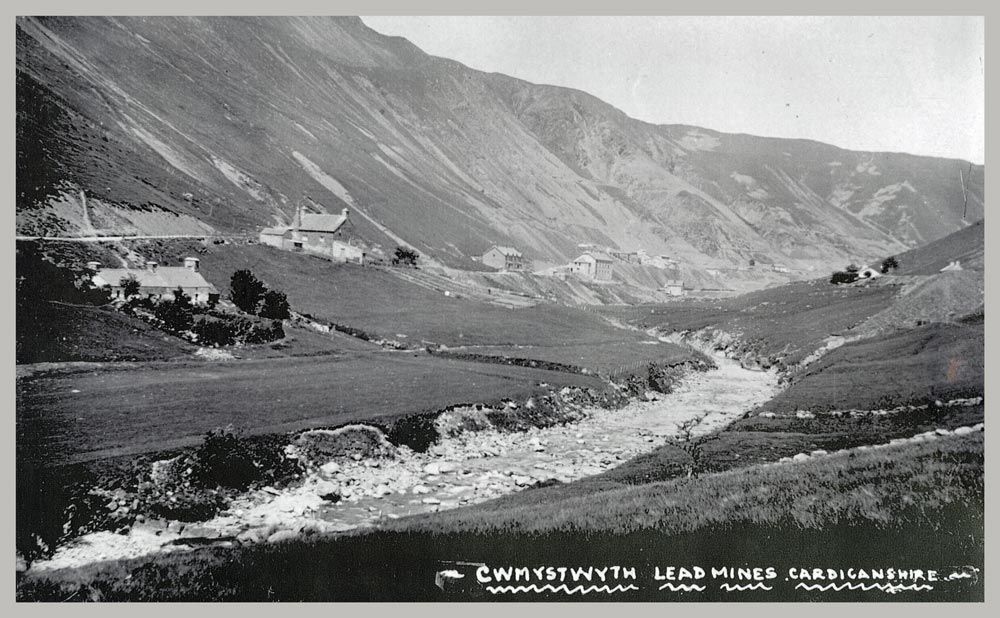
Picture showing the lead works in the 1920s. The mine had been in decline for some years and many of the workers had either migrated south to the coal mines or overseas to America or Australia. A century later, most of the mine's buildings have completely disappeared.

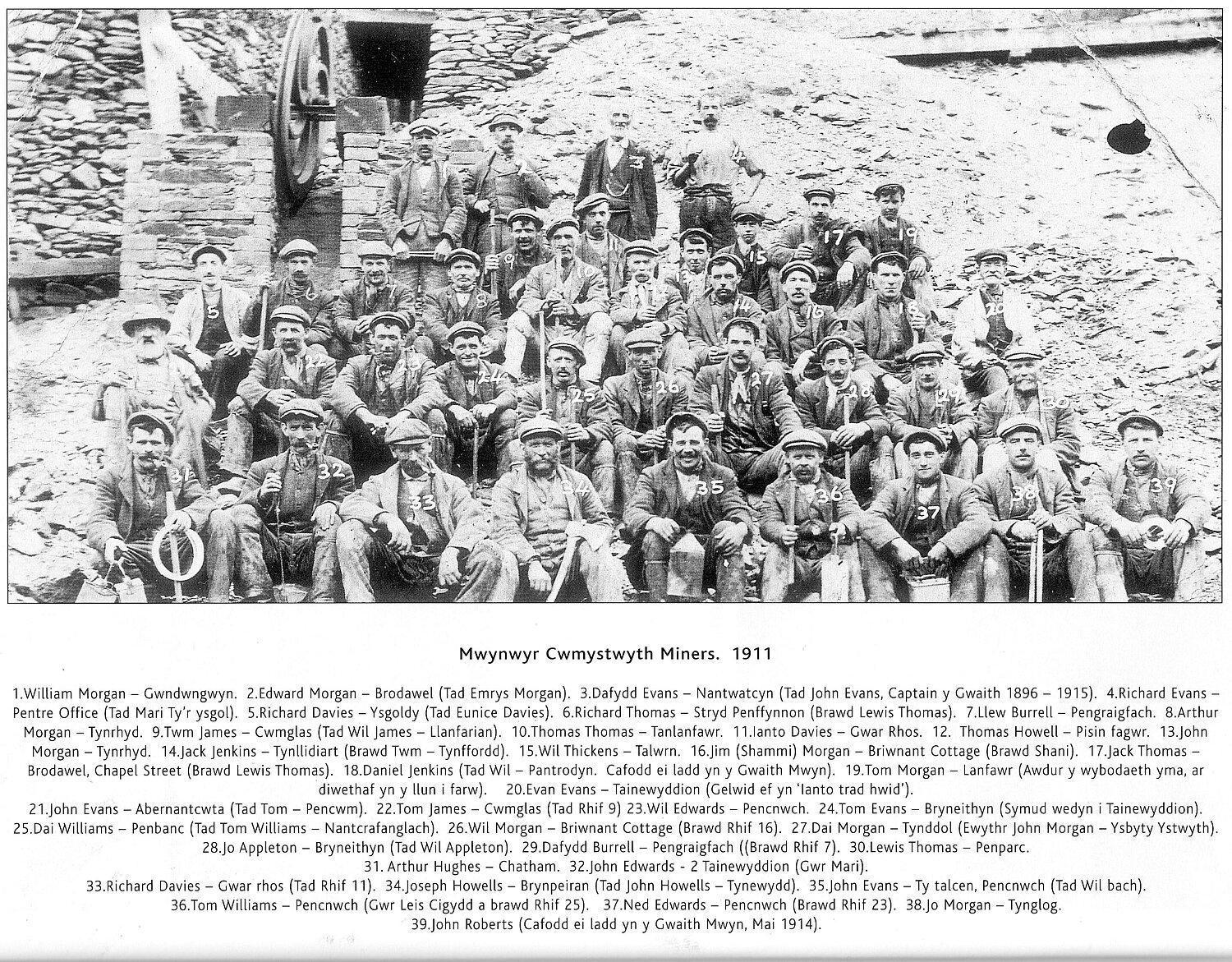
This picture shows some of the men who worked in the Cwmystwyth metal works in 1911. It includes the names of the miners with a little information about them e.g. 39 – John Roberts lost his life in an accident at the mine in May 1914.

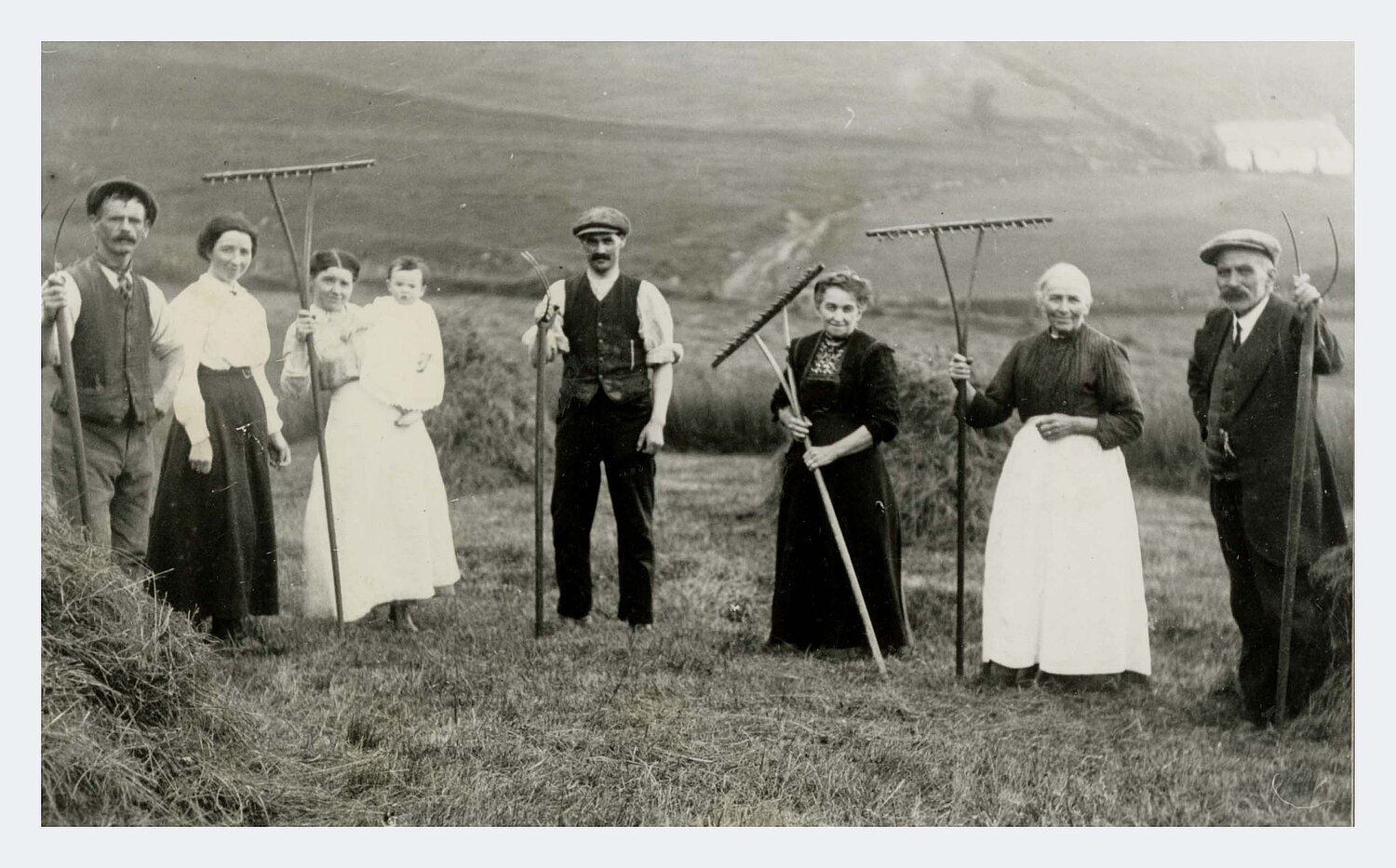
Photo of the Howells family, Tynbryn, harvesting hay around 1920. Note the building in the background, Gwndngwyn, which has now been demolished.

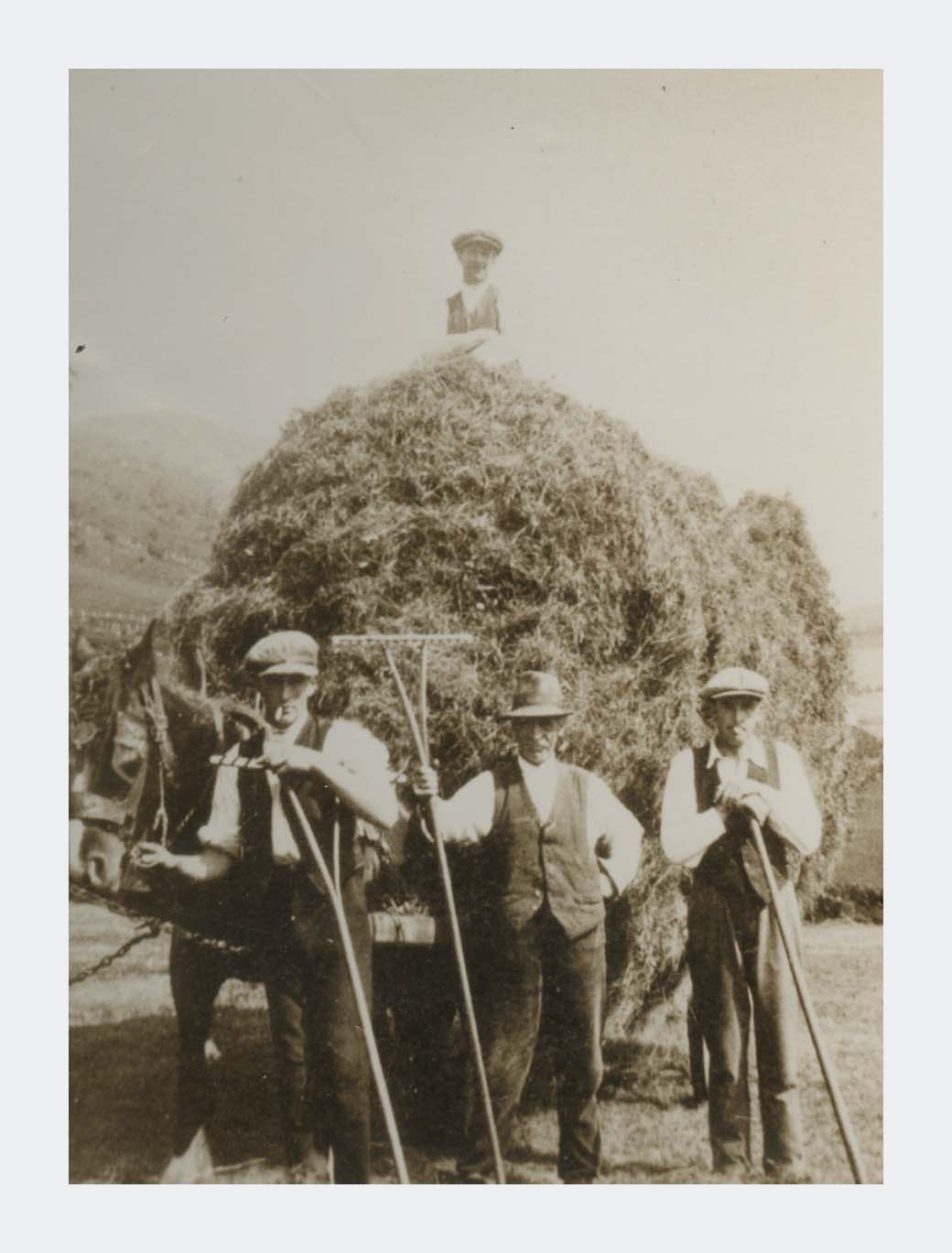
Photo of men harvesting hay on Pentre farm in Cwmystwyth. The men bring the hay to the farm with a horse and cart. In front of the cart on the left is Ifor Edwards, Tŷ Llwyd with Dick (Richard) Howells, Tynrhos in the middle but no names for the other two.

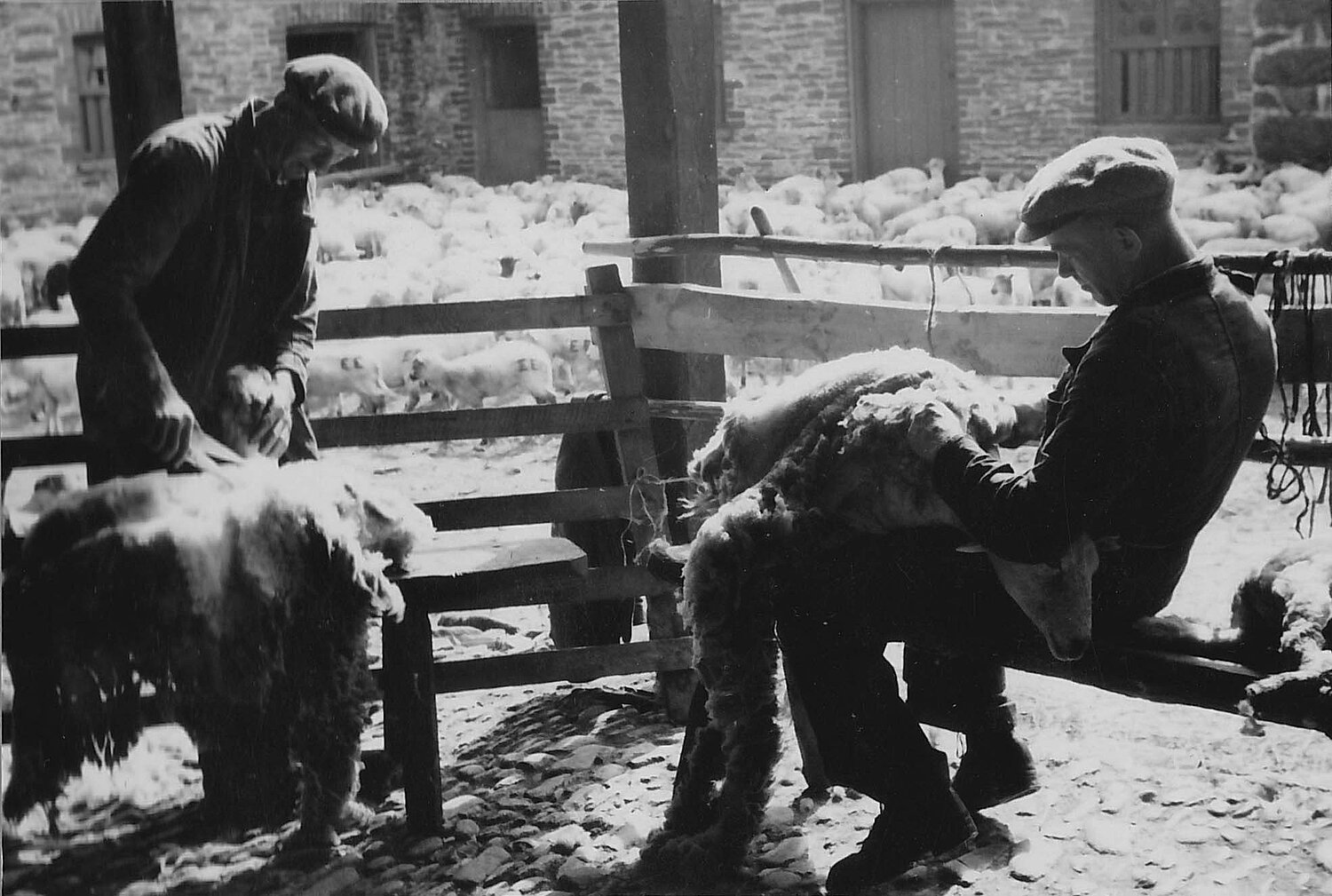
John Owen shearing in Pwllpeiran in 1952. John Owen is the man who shears while sitting, while the other man in the picture is standing to shear. The mother of the man who gave the picture wrote that ‘it depended which side of the valley you came from how you sat or stood to shear’. All the men came unpaid and the Cwmystwyth men helped other farms for no pay for about 6 weeks. Shearing day was a social occasion for the whole community.

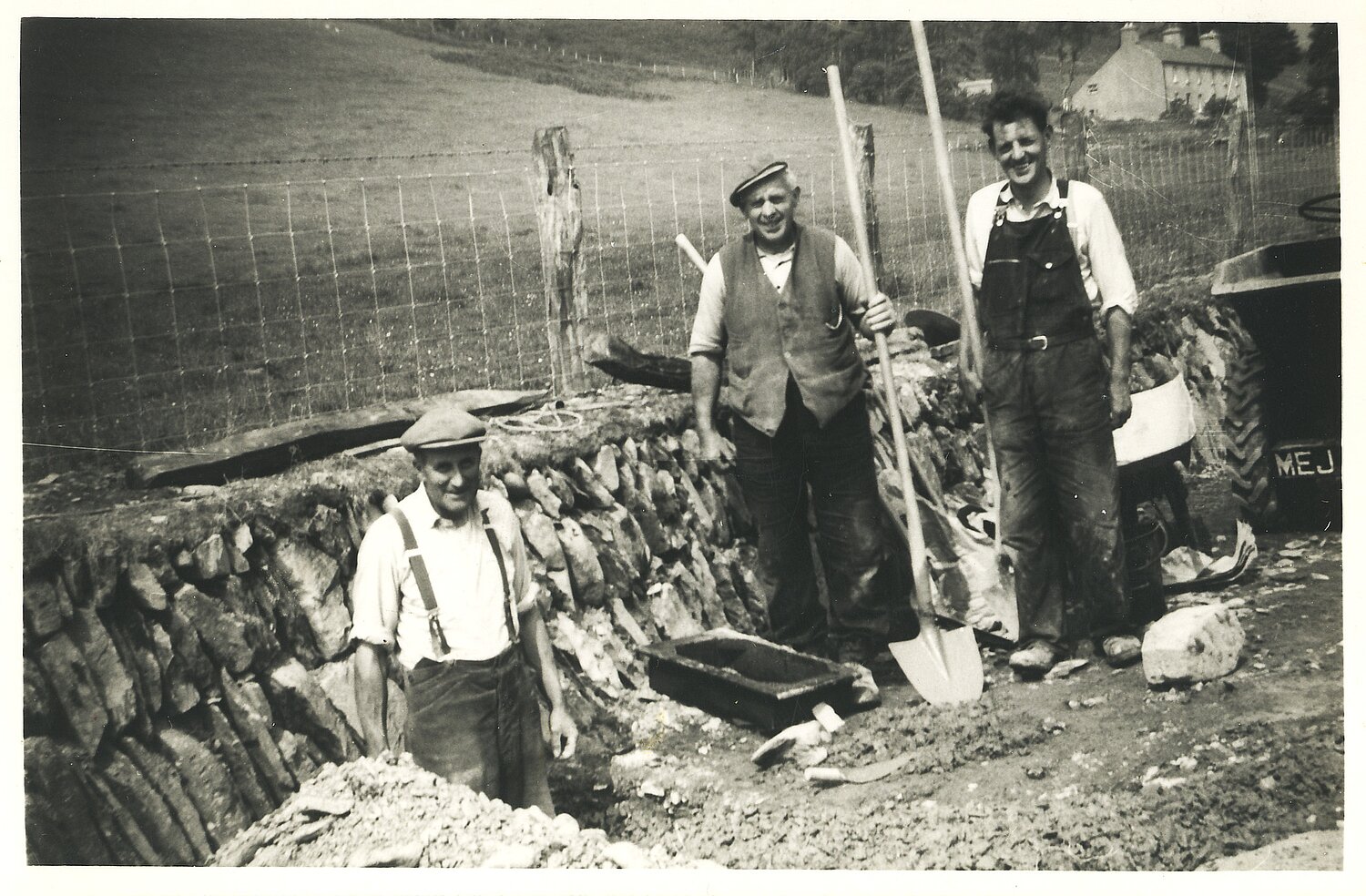
Picture of 'the road men', Cwmystwyth in 1950 - L - R: Dei Rees (David Rees, Brodawel, Heol y Capel), Dei Bryn (David Evans, Bryn Awelon) and Tom Griffiths, Ysgubor Fach - with Tŷ Llwyd farmhouse in the background. The road men looked after the roads in Cwmystwyth - kept the sides clear and kept the water on the sides so that no water ran onto the road itself.

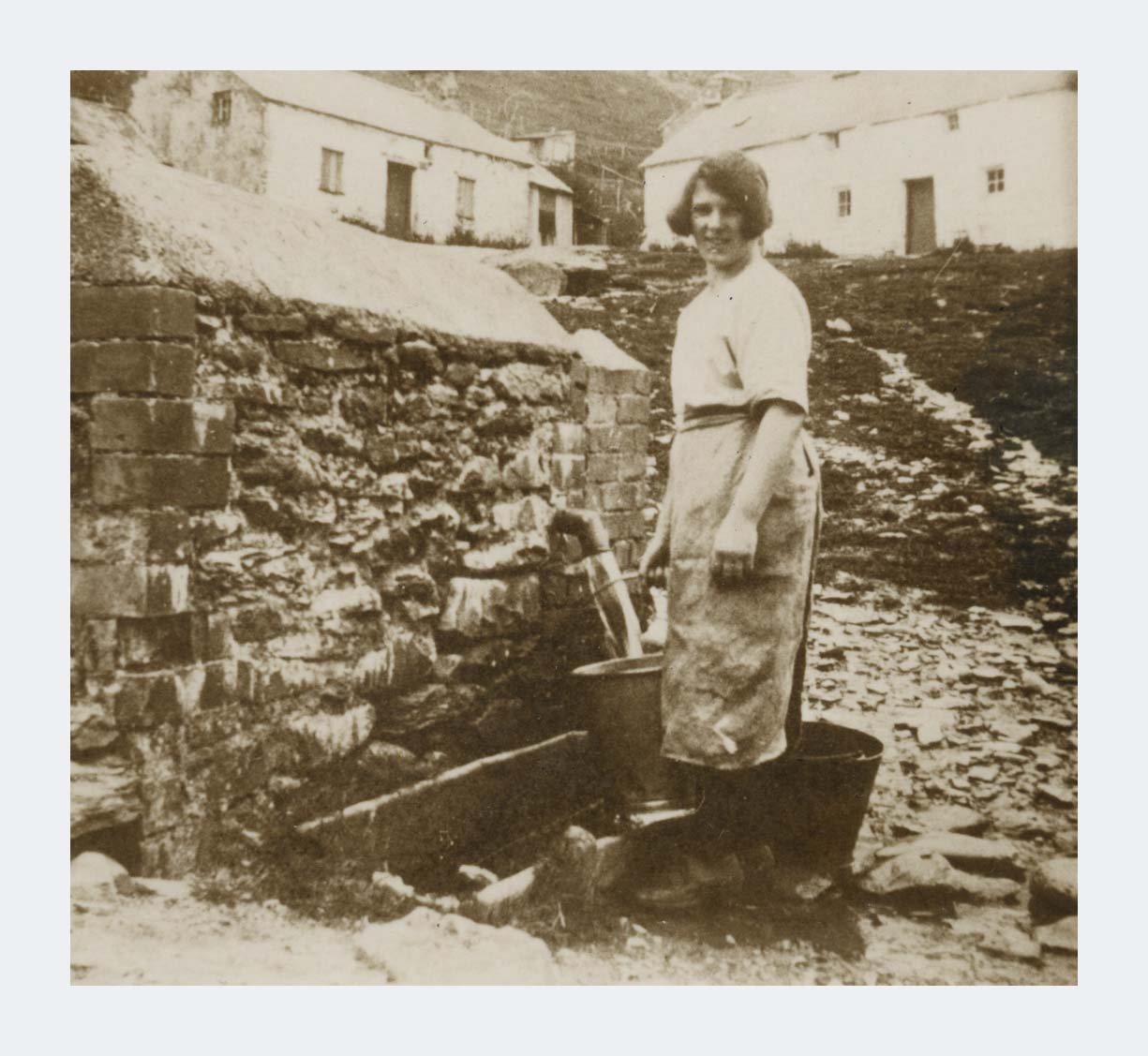
Annie Thomas collecting water from a main well in the village of Cwmystwyth. You had to go to one of the wells in the village if you needed water until fairly recently. Water did not come from the 'mains' until around 1982 and some of the houses still rely on water from the well to this day. Annie was the daughter of Elizabeth and Lewis Thomas, Penffynnon and she was born in 1908. The old Fountain Head inn is behind her on the right.

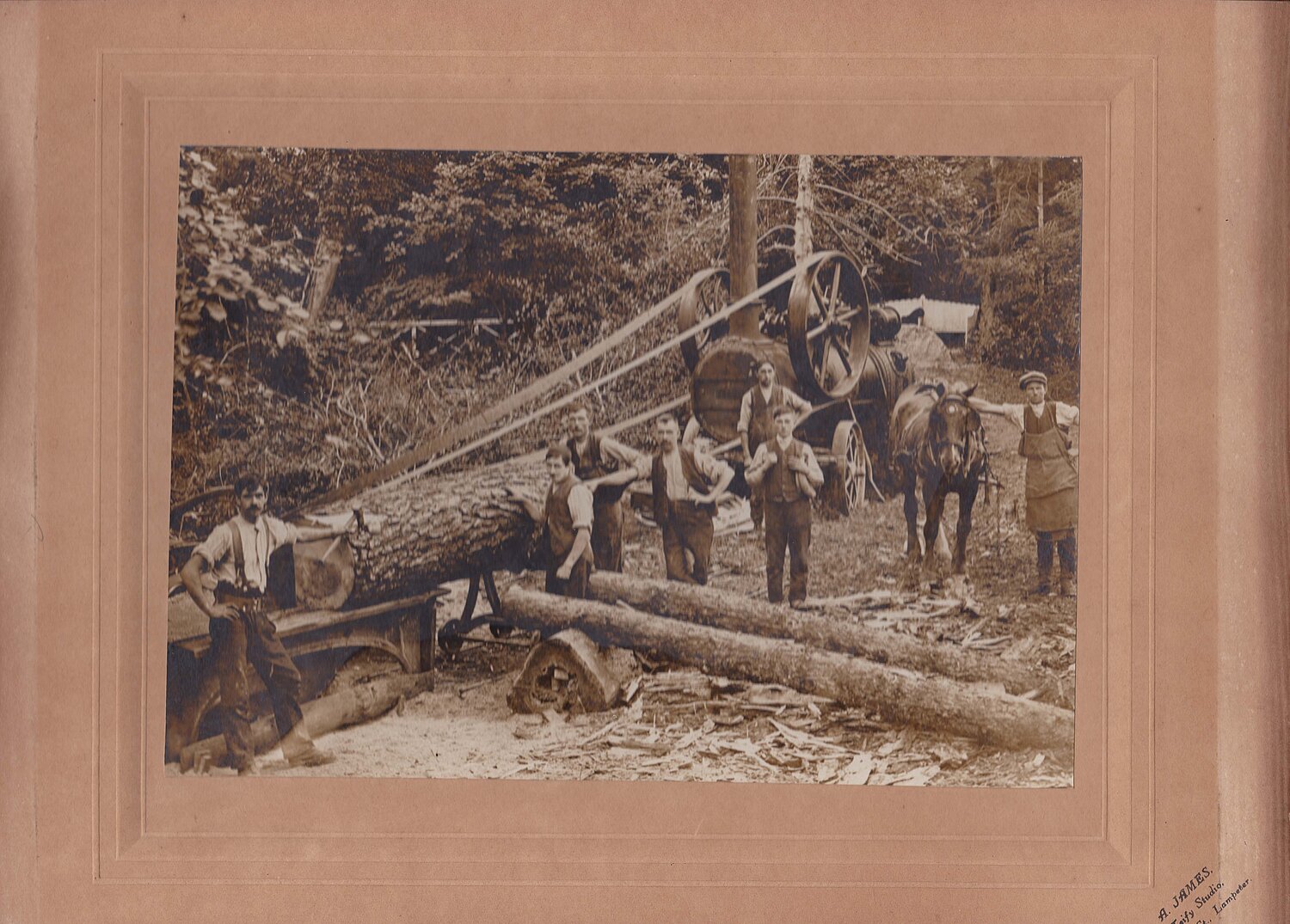
The mechanical, mobile sawmill, at work on the Hafod Estate. The Hafod carpenter for many years was a man called William T. Hughes (1891-1961). He wrote about his life on the estate and in the Cwmystwyth area in a book with the title 'Atgofion Dau Greftwr' (Memoirs of Two Craftsmen) published in 1963 by Ceredigion Books Society.

Place-Names

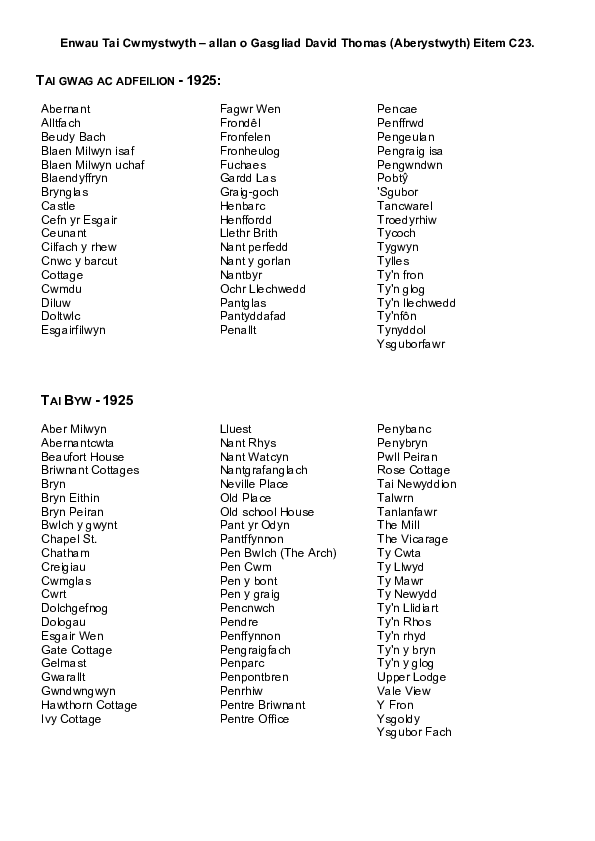
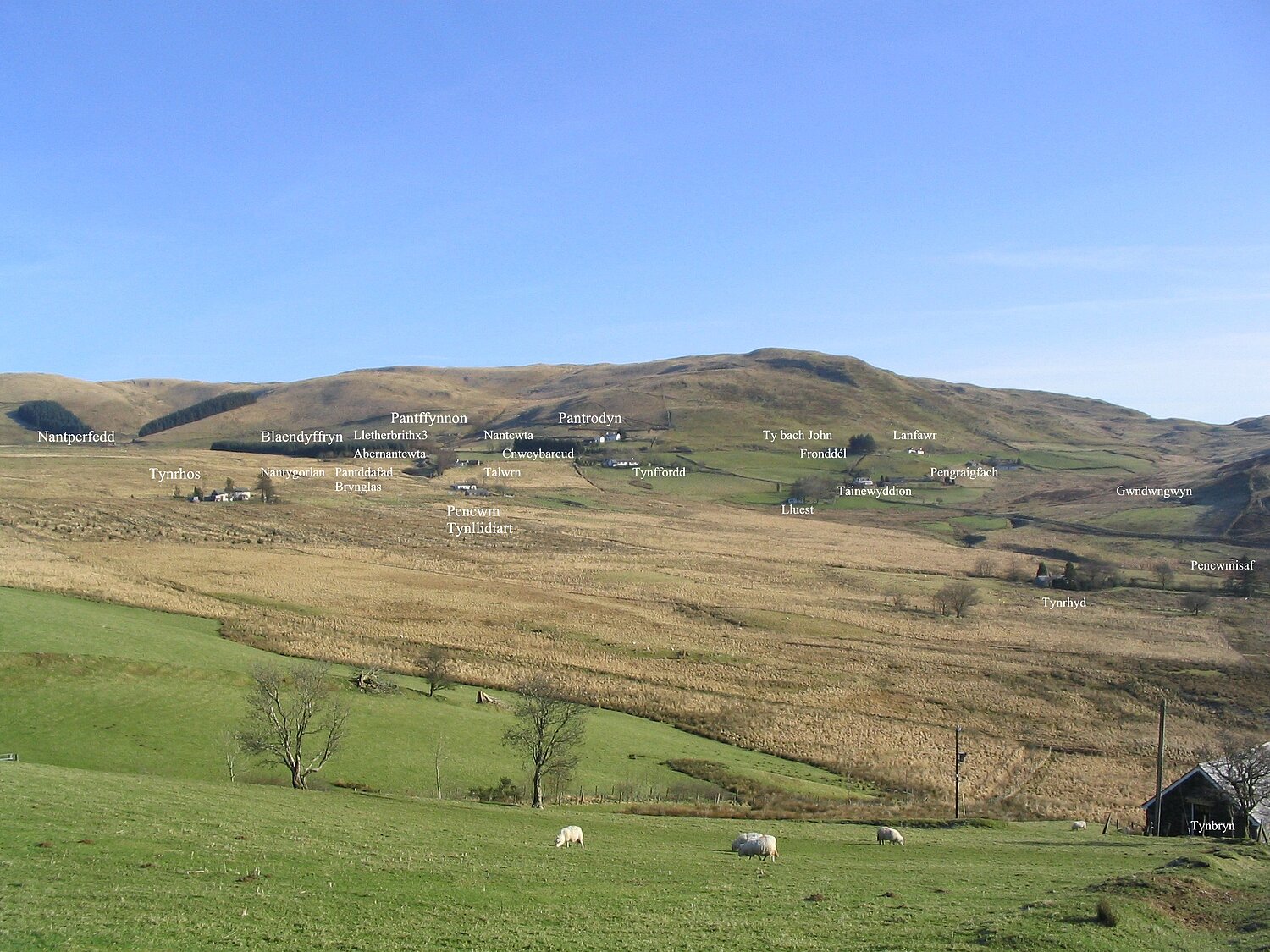
In the 1920s, Mr David Thomas, Cardiganshire's Inspector of Schools, asked the headmasters of the county to get the children of their schools to collect the names of houses in their areas. As a result of that in 1925 Mr H Jones, Headmaster of Cwmystwyth School, and his pupils set out to collect the name of every house and smallholder in the village area. By today (2026) the names of some of the houses have changed but the list of old names is still available for the generations to come.

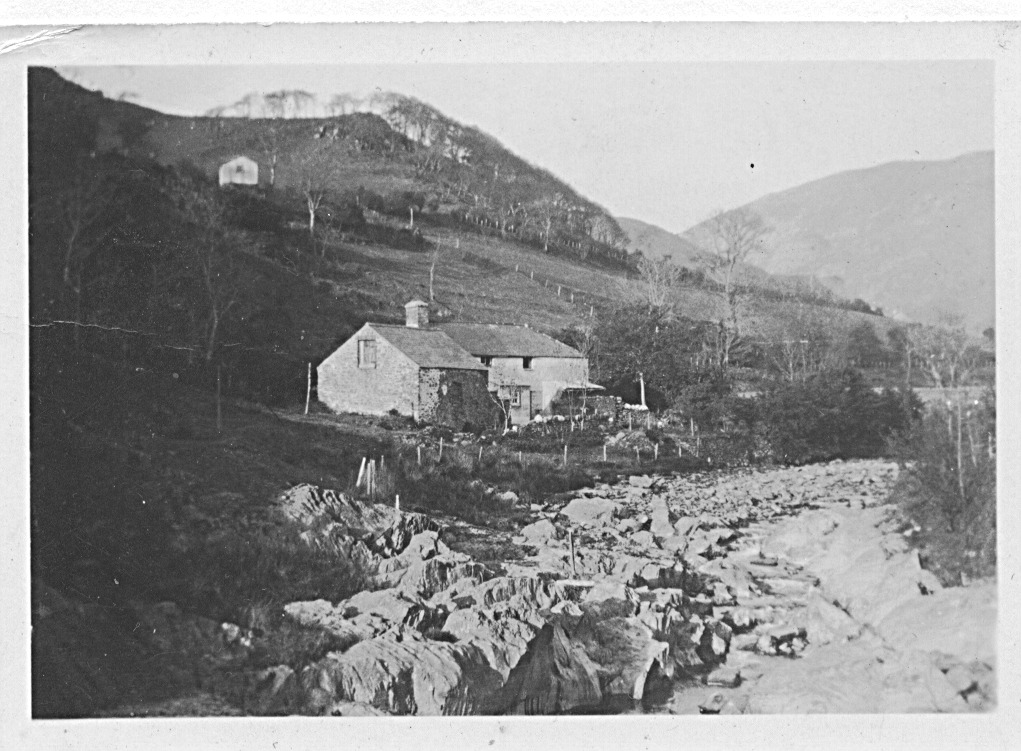
Photo of the ruins of the Old Corn Mill in Cwmystwyth. The building was associated with the Howells family who came to the Cwmystwyth area from Montgomeryshire at the end of the 17th century to work in the lead works. It was used as a corn mill until the mid 19th century but within a decade the lead works began to decline. Because of that many of the miners, including some of the Old Mill family, moved to the south Wales valleys to work in the coal mines. One of the family was killed in the Cilfynydd Disaster of 1894 along with Richard Herbert, another boy from Cwmystwyth. Today there is nothing left of the Old Mill - it has completely disappeared. For more information about Yr Hen Felin see the article 'Melin Pentre, Cwmystwyth by John and Francesca McLaren in the magazine Melin 14 (1998) pg. 70-81. Circulation of the Welsh Mills Association - welshmills.org/copies-of-melin/

This picture shows how the population of many rural villages has changed over the last century. It is a picture of the Rhospeiran area, showing the names of 26 houses and smallholdings. By today (2026) only 12 of them are still standing as dwelling houses - and of those houses 6 are holiday homes.

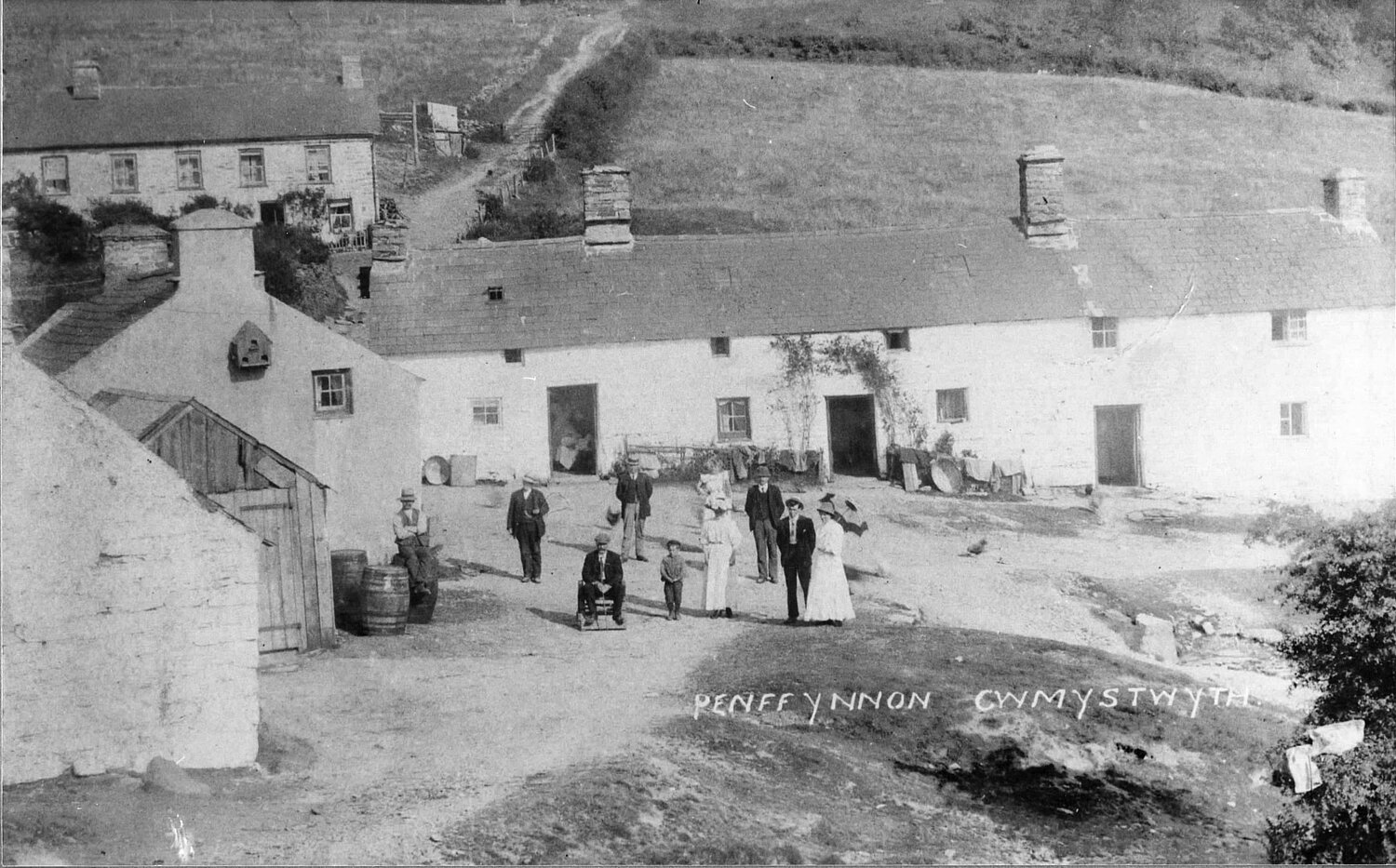
A photograph of the Penffynnon area in Cwmystwyth in the 1920s. It shows the residents and their cottages. The cottages were demolished in the 1950s to make way for a new road, Rhospeiran Road. The picture reflects many aspects of life in the area such as the condition of the houses, the clothes of the people and developments in religion and education in the village between 1800 and 1950. In the background, on the left side of the picture you can see a house that was built in 1805 as a chapel and the first chapel house of the Methodists. In 1835 the congregation was too large for the building so Capel Fynnon was built next door and the old building was used as a dwelling house. In 1862 the original roof of the first chapel was raised in order to put in a first floor to be used for a school. Later, in 1870, Siloam Chapel was built in the middle of the village and the second chapel, Capel Ffynnon, was used as Cwmystwyth Board School. In 1904 the Cwmystwyth Council School was built next to Siloam Chapel in the middle of the village and the old school fell into ruins until 1995 when a garden was planted within the old walls. In the picture note, also, the woman sitting in the door of the house with a baby on her lap, the clothes drying on the fence of the house next door, the bird house on the gable of the house on the left and the fact that the people are clearly wearing their best clothes for the picture.

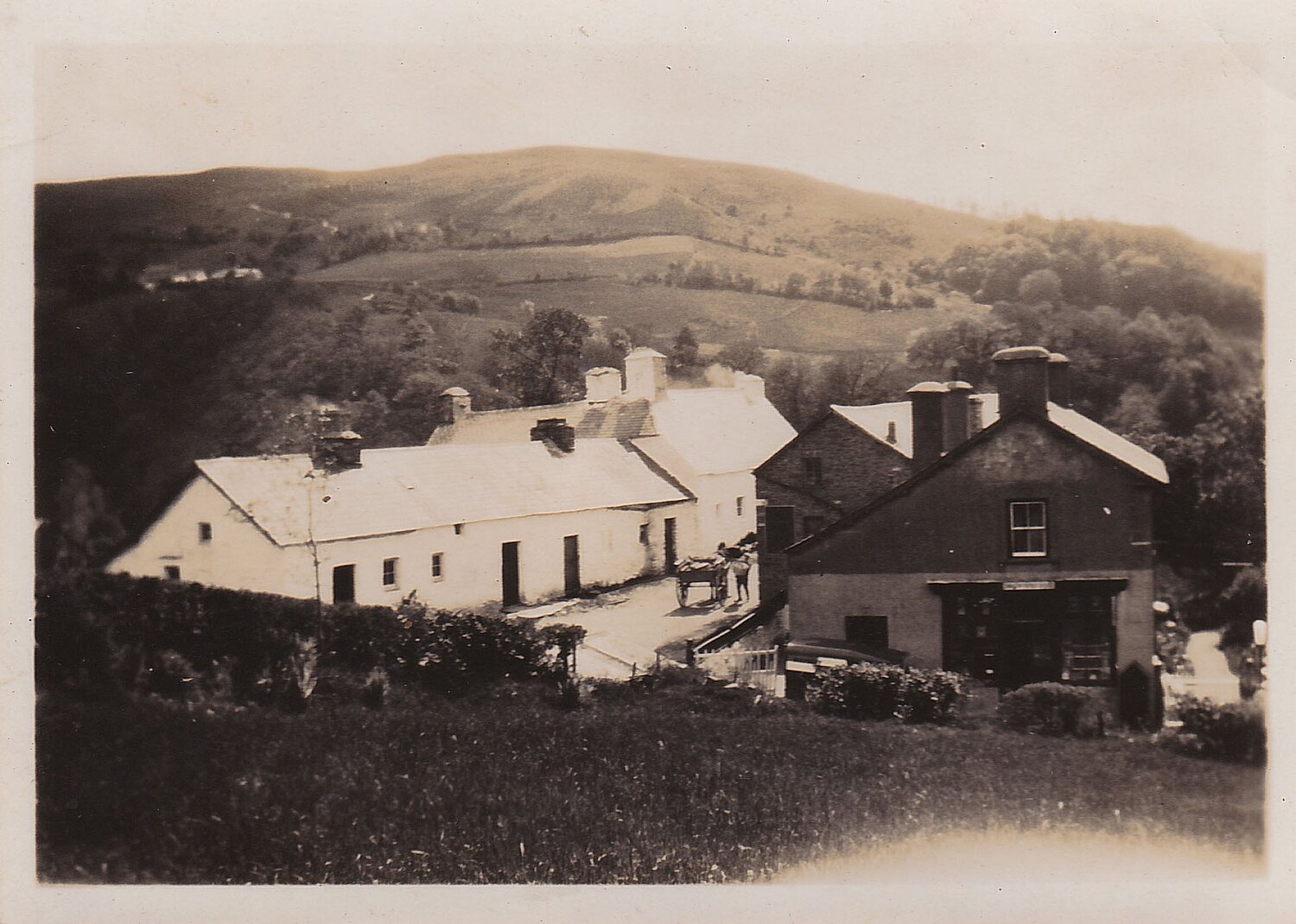
Photo of Pencnwch and the old Post Office and shop, Cwmystwyth. The picture shows the row of small white houses in the Pencnwch area, Cwmystwyth. To the right is the old Post Office and Siop y Pentre (village shop) which closed their doors in 1992. It is possible that the old outbuildings of Pengraig can be seen in the distance on the left side of the picture.

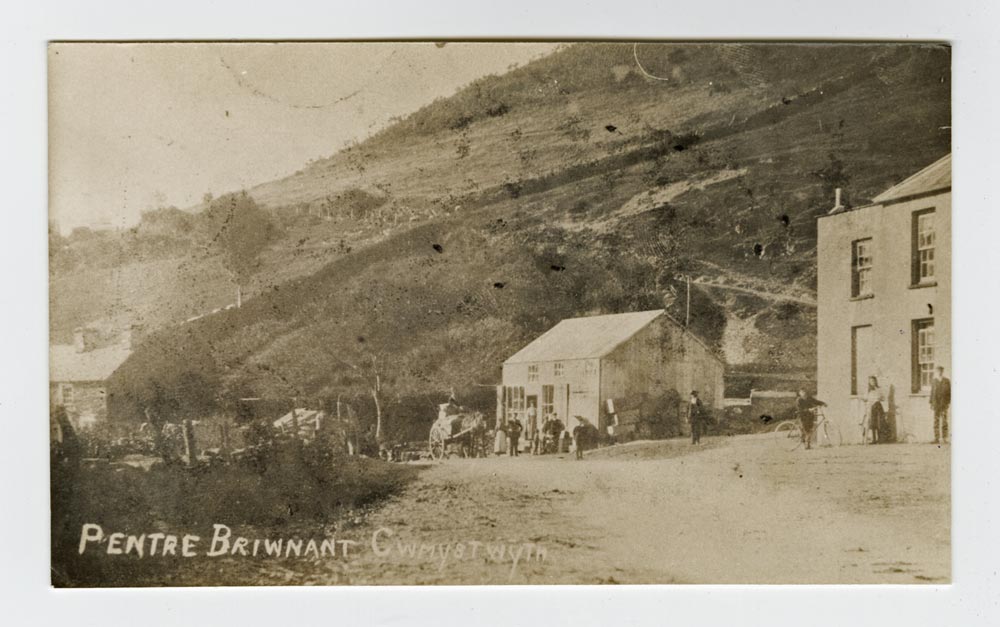
This is a picture showing groups of people outside the Pentre Briwnant shop in the middle of the village. The zinc building in the middle of the picture is the shop. At one time there were at least three shops in Cwmystwyth, i.e., the shop up in Lluest in the Rhospeiran area, this shop (which was a branch of the Lluest shop) and the main shop and Post Office in Pencnwch..

Everyday Life

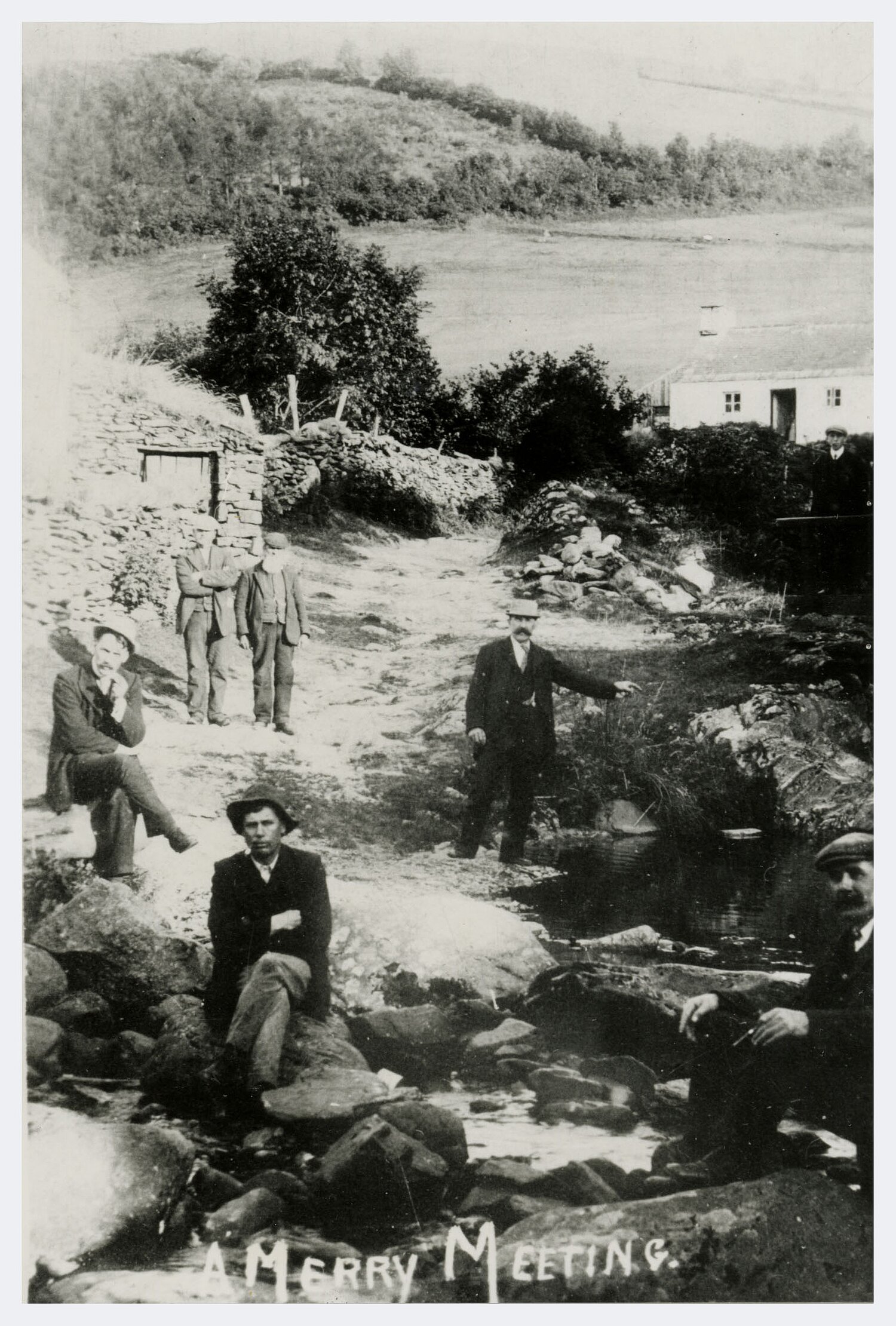
The picture shows members of the Burrell and Jenkins families next to the river Milwyn on the way to Tynewydd farm. Part of Penpompren cottage can be seen on the left and Abermilwyn higher up on the right. The former Mayor of Aberystwyth, J. Barclay Jenkins, once lived in Abermilwyn.

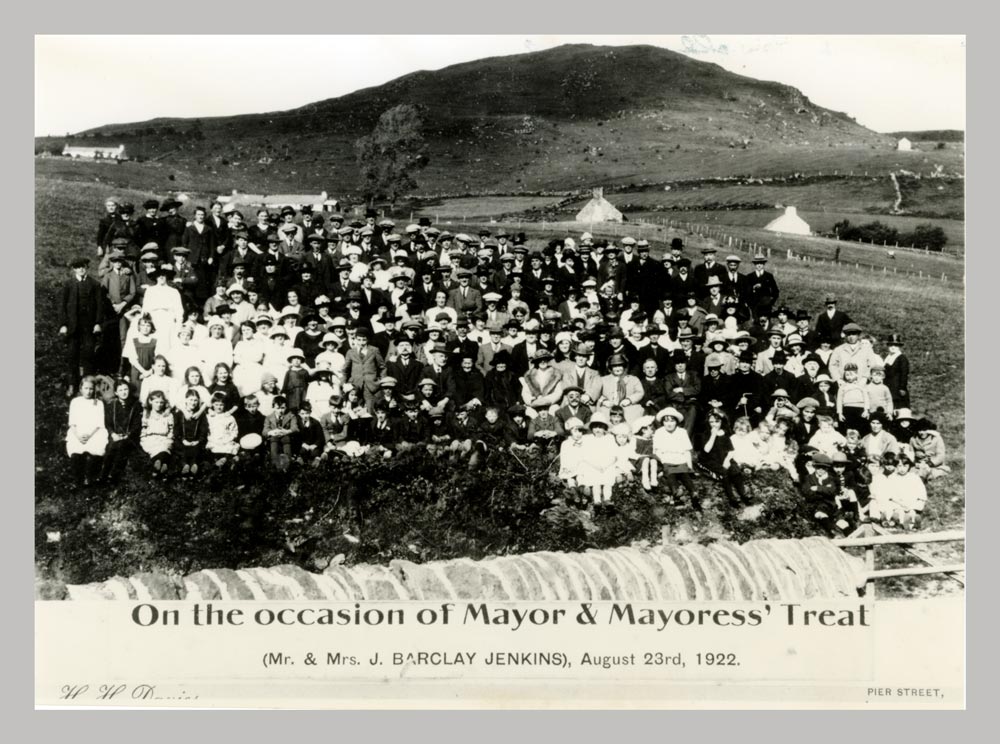
Photo showing the crowd at a picnic provided by the Mayor of Aberystwyth, Mr J. Barclay Jenkins, who was born in Cwmystwyth.

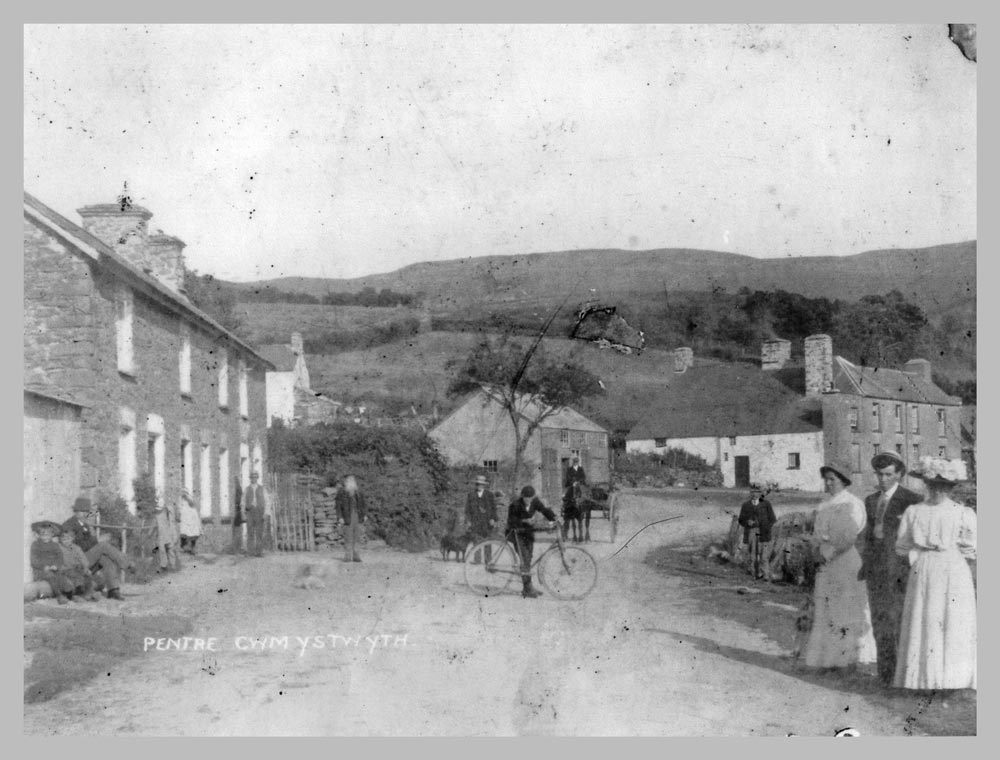
One of a series of photos taken in the early 1900s showing Briwnant Cottages, the zinc shop (Briwnant Stores) in the center of the village and the old coach pub in Pentre Briwnant. The old pub was called the Fountainhead Inn and it is possible that Iolo Morganwg stayed here when visiting Hafod Mansion to copy Welsh manuscripts collected by Thomas Johnes of Hafod.

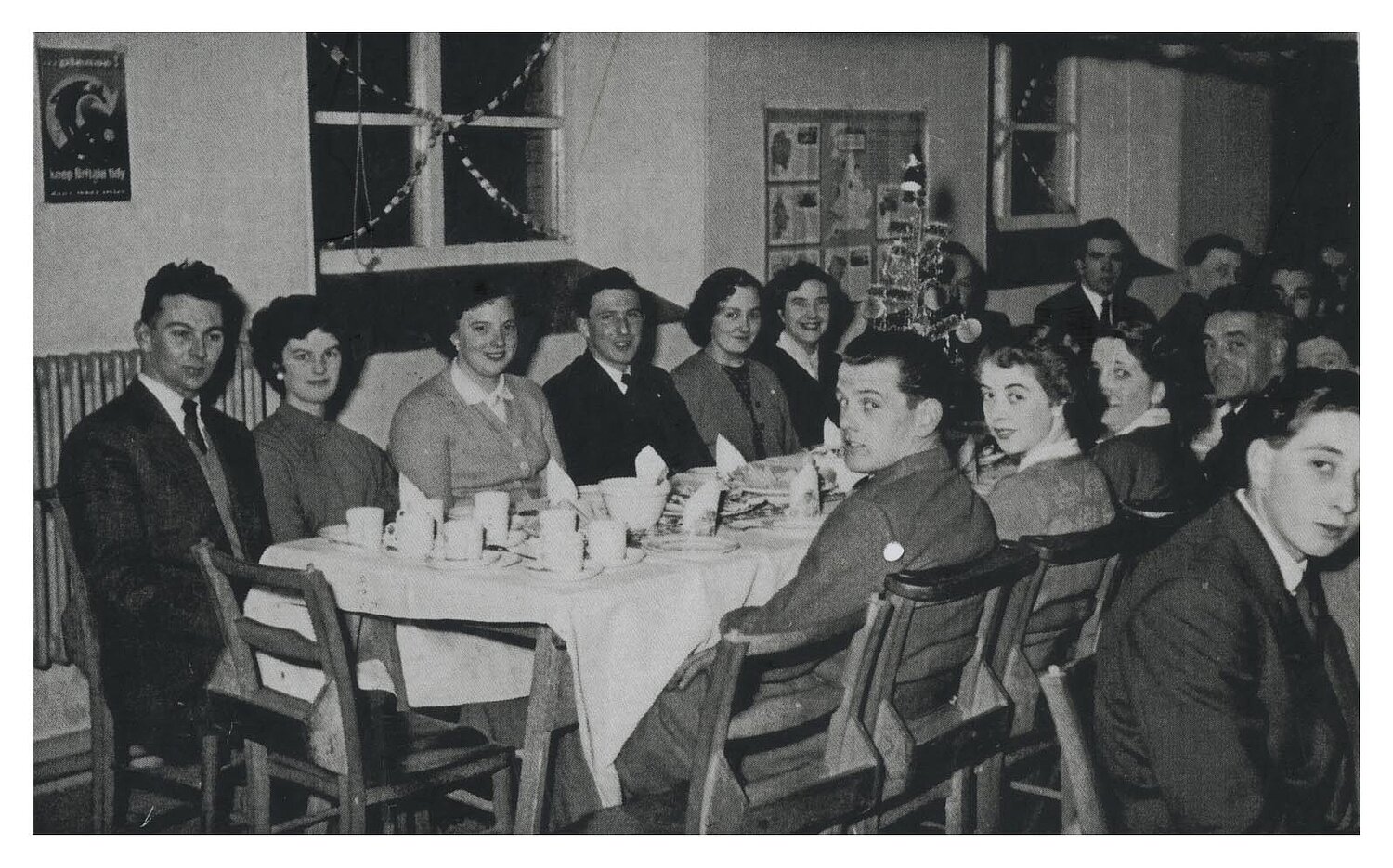
Pictures of the Urdd dinner at Ysbyty Ystwyth sometime in the 1950s.

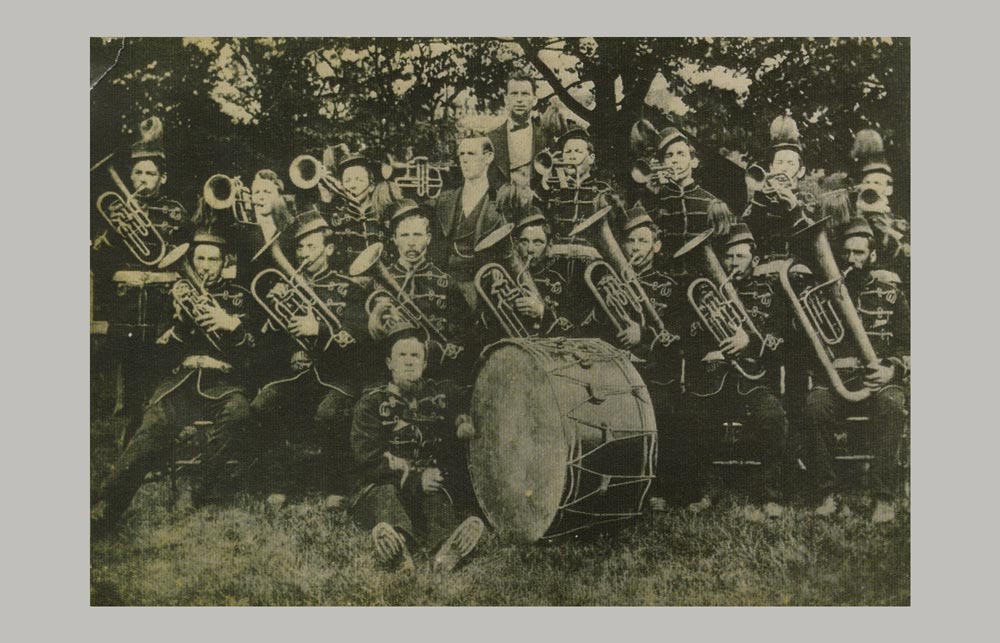
Cwmystwyth Brass Band. On the back of the picture: "Leader Wm Evans, Alaw Afan, when on tour in Llanwrtyd. They received the award there." There is no date for the picture. Brass bands were extremely popular in the Cwmystwyth, Pontrhydygroes and Ysbyty Ystwyth area during the 19th century.

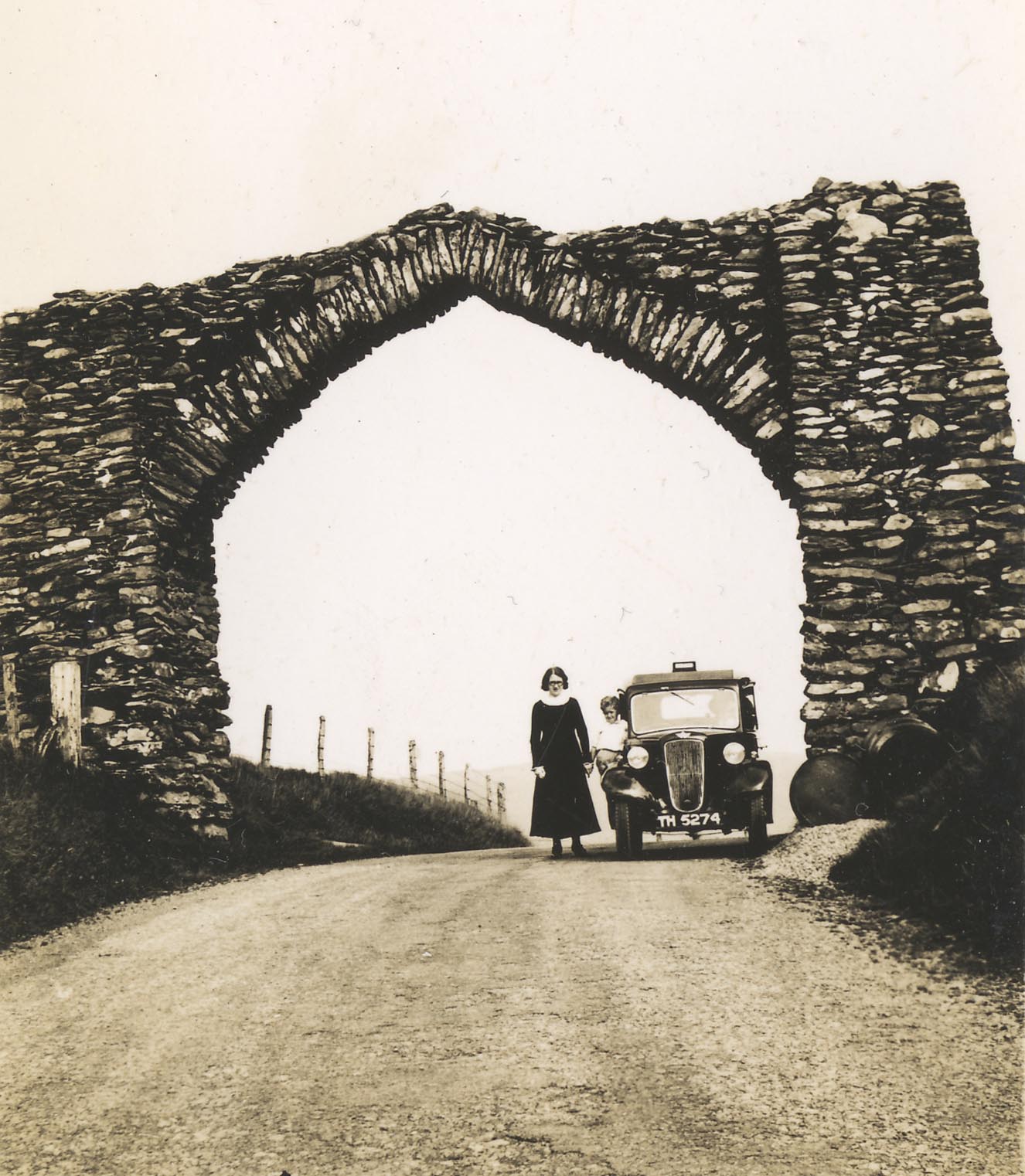
Photo of Mary Amelia Davies from Tŷ Mawr farm, Cynfyn Hospital, who worked as a Regional Nurse and Midwife in the Cwmystwyth area. She initially traveled around her area by bicycle and later traveled by taxi for work. This photo shows her standing under The Arch next to one of those taxis.

External resources

  • TBC
  • TBC