Teacher Toolkit
Background
Museum objects are not just old things from the past. They can tell important stories that still matter today. Many everyday objects are linked to the British Empire and colonialism, showing how they were made and where their materials came from. By studying these objects, we can learn about power, inequality, and how history still affects our lives today.
The British Empire began growing in the late 1500s and 1600s through trade, settlement, and competition with other European countries. It first expanded into North America and the Caribbean, and later into Asia through the East India Company. By the 1700s, Britain had become the world’s leading imperial power. This wealth depended heavily on the enslavement and exploitation of Indigenous peoples and enslaved Africans. After losing the American colonies in 1776, Britain focused more on India, Africa, and other parts of the world. During the 1800s, industrialisation helped the Empire grow rapidly, often using force and unfair systems while claiming to bring “civilisation.” Colonised people lost land, languages, and cultural traditions.
Some people in Britain opposed slavery, including politicians such as William Wilberforce and religious groups like the Quakers. At its peak after the First World War, the British Empire ruled about a quarter of the world’s population. After 1945, the Empire declined quickly due to wars and independence movements, especially India gaining independence in 1947. The Empire later evolved into the Commonwealth.
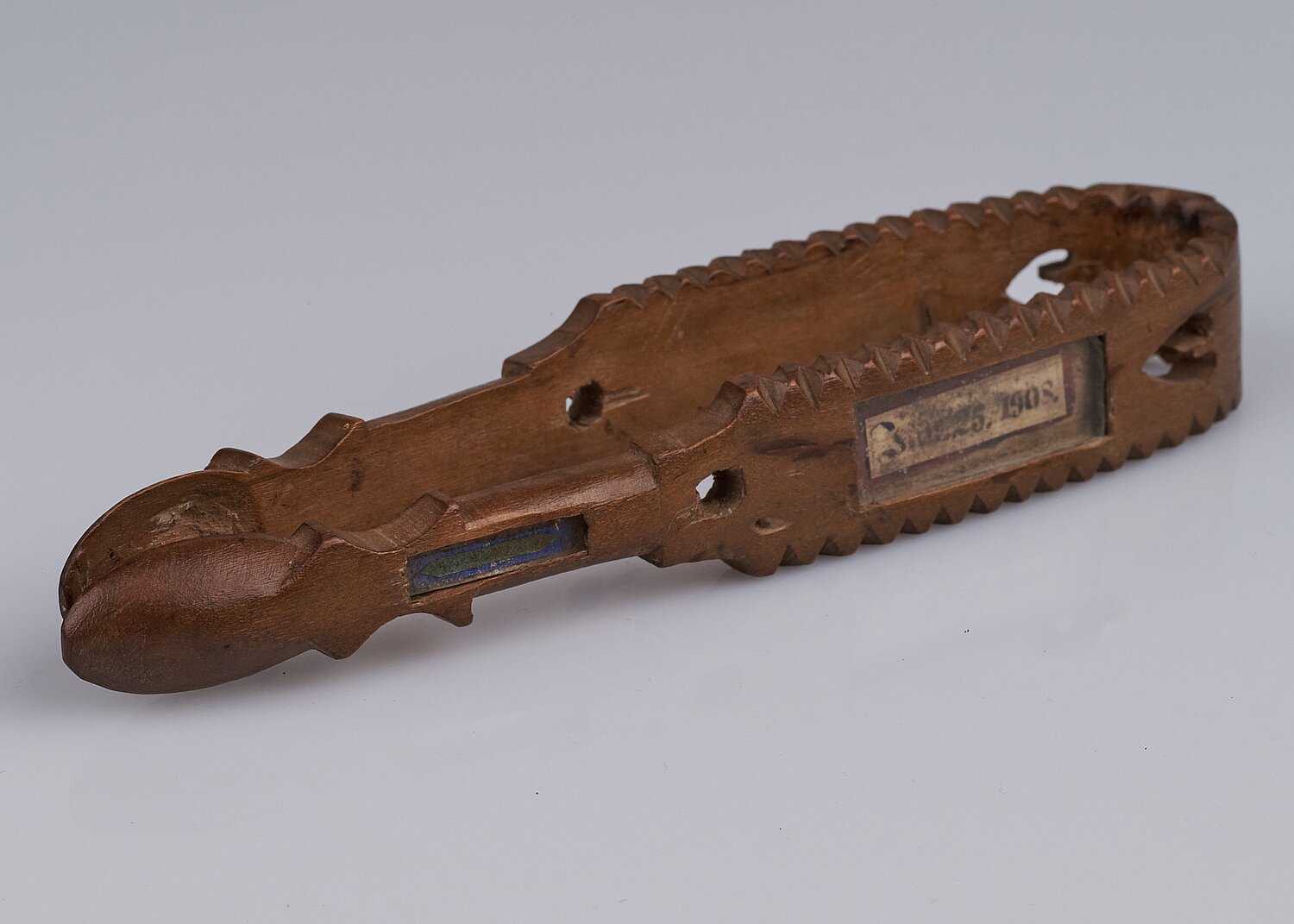
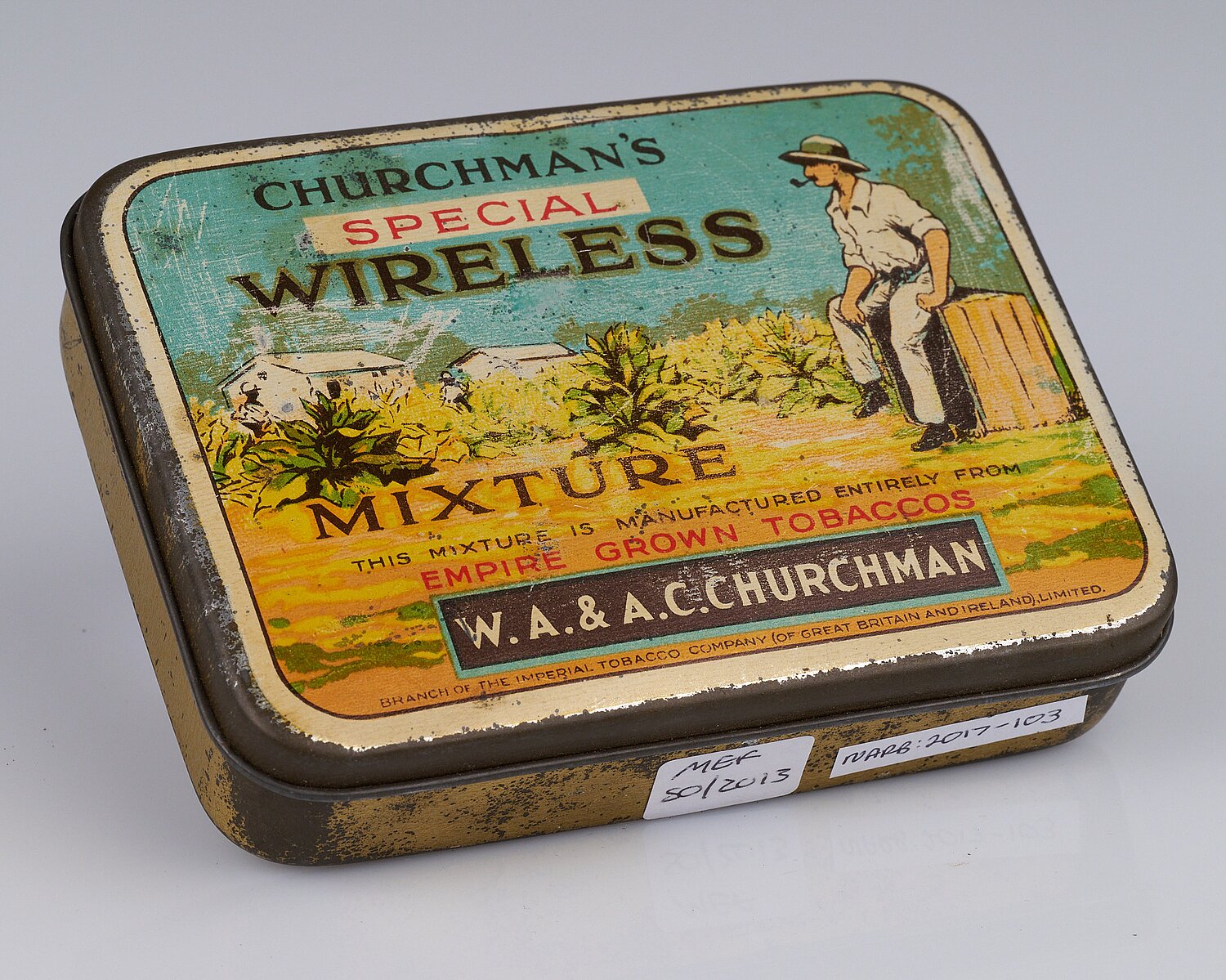
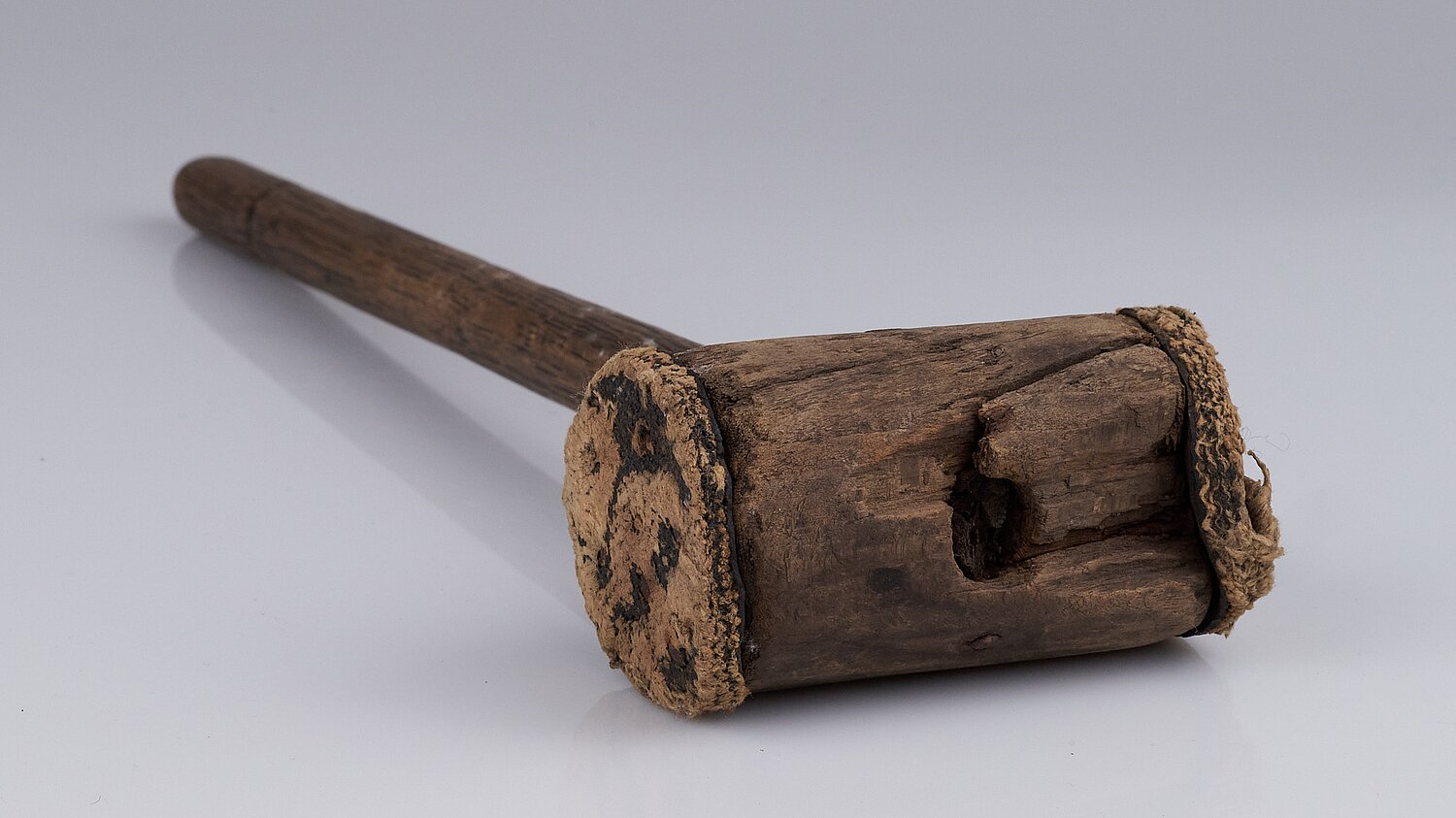
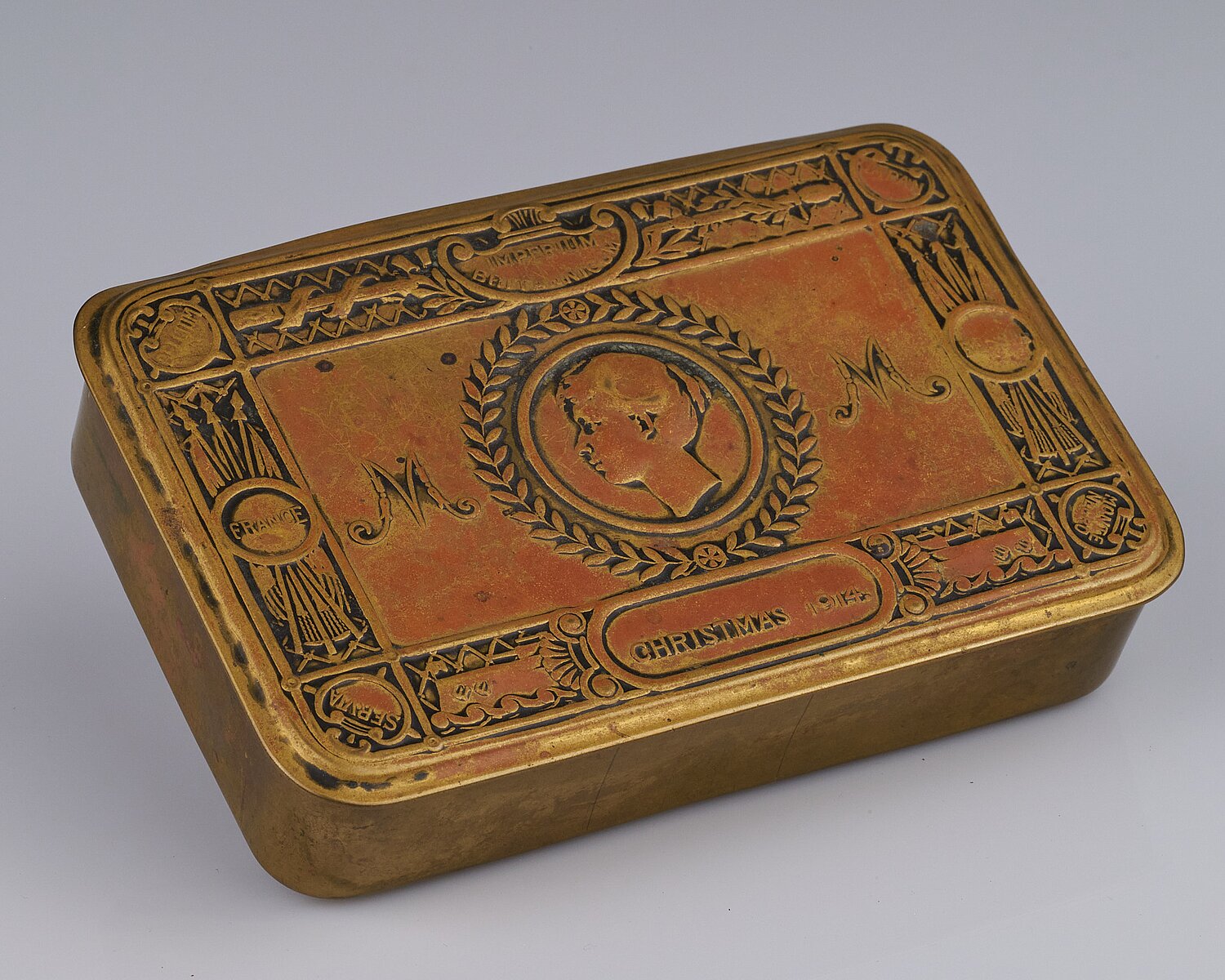
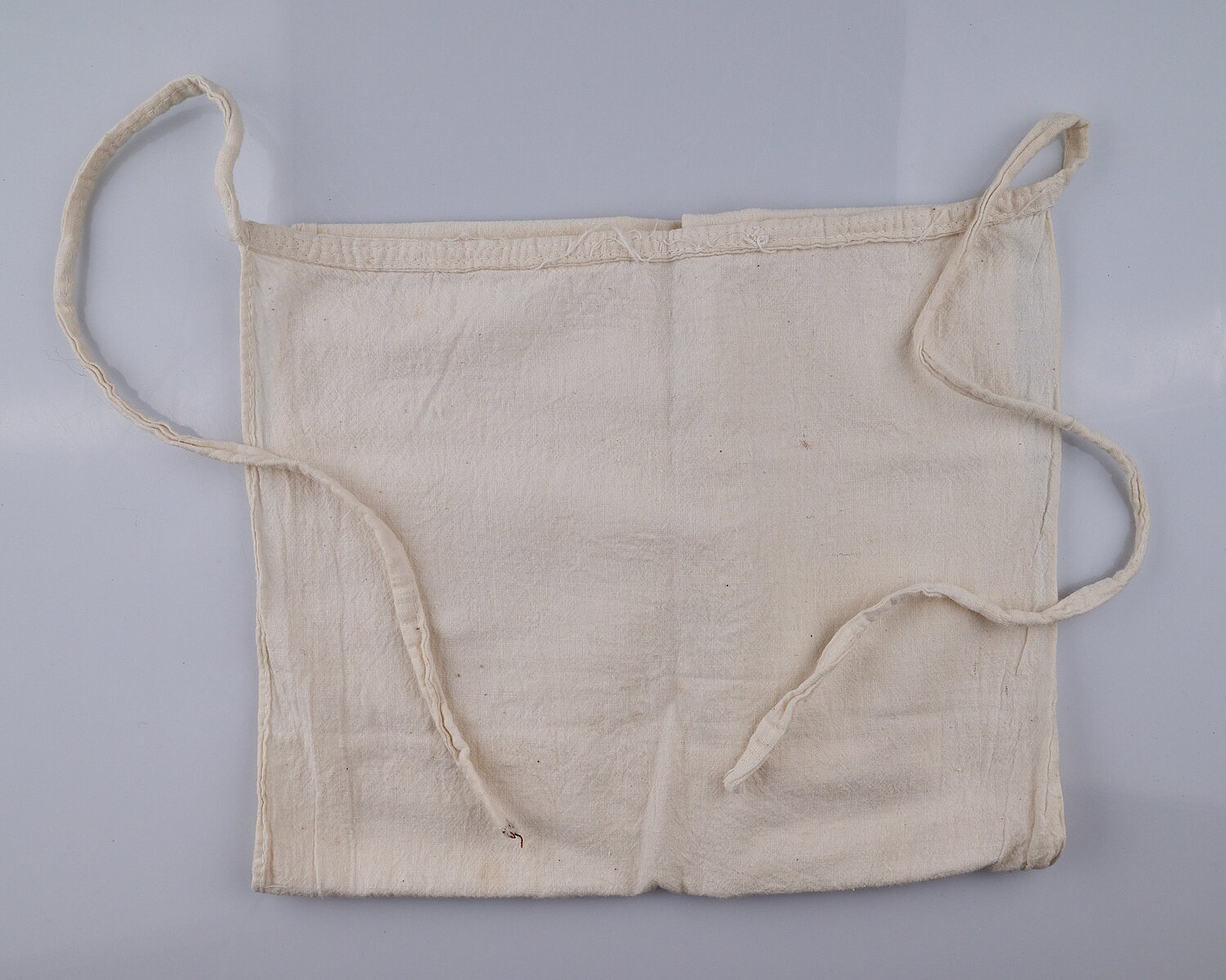
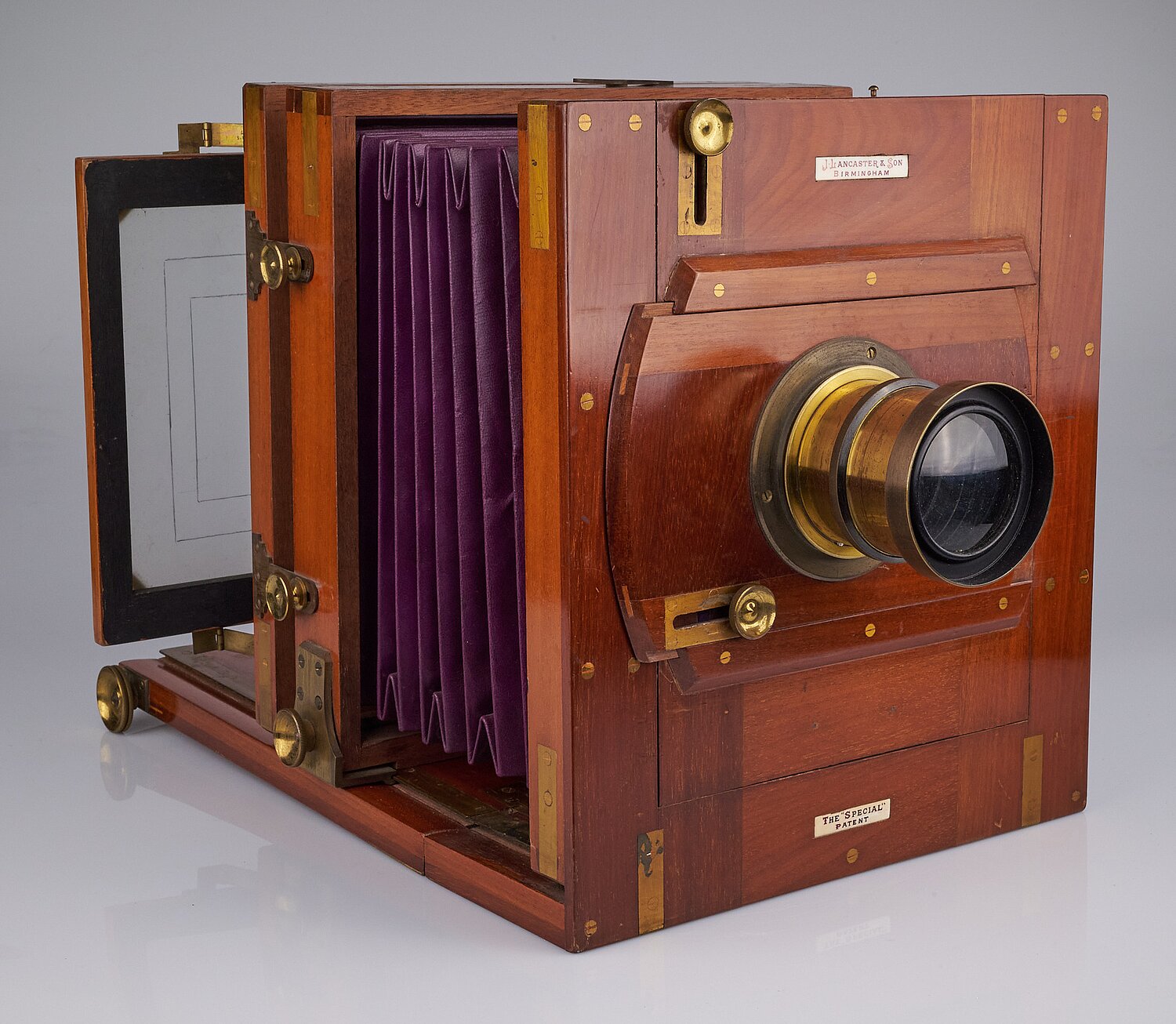
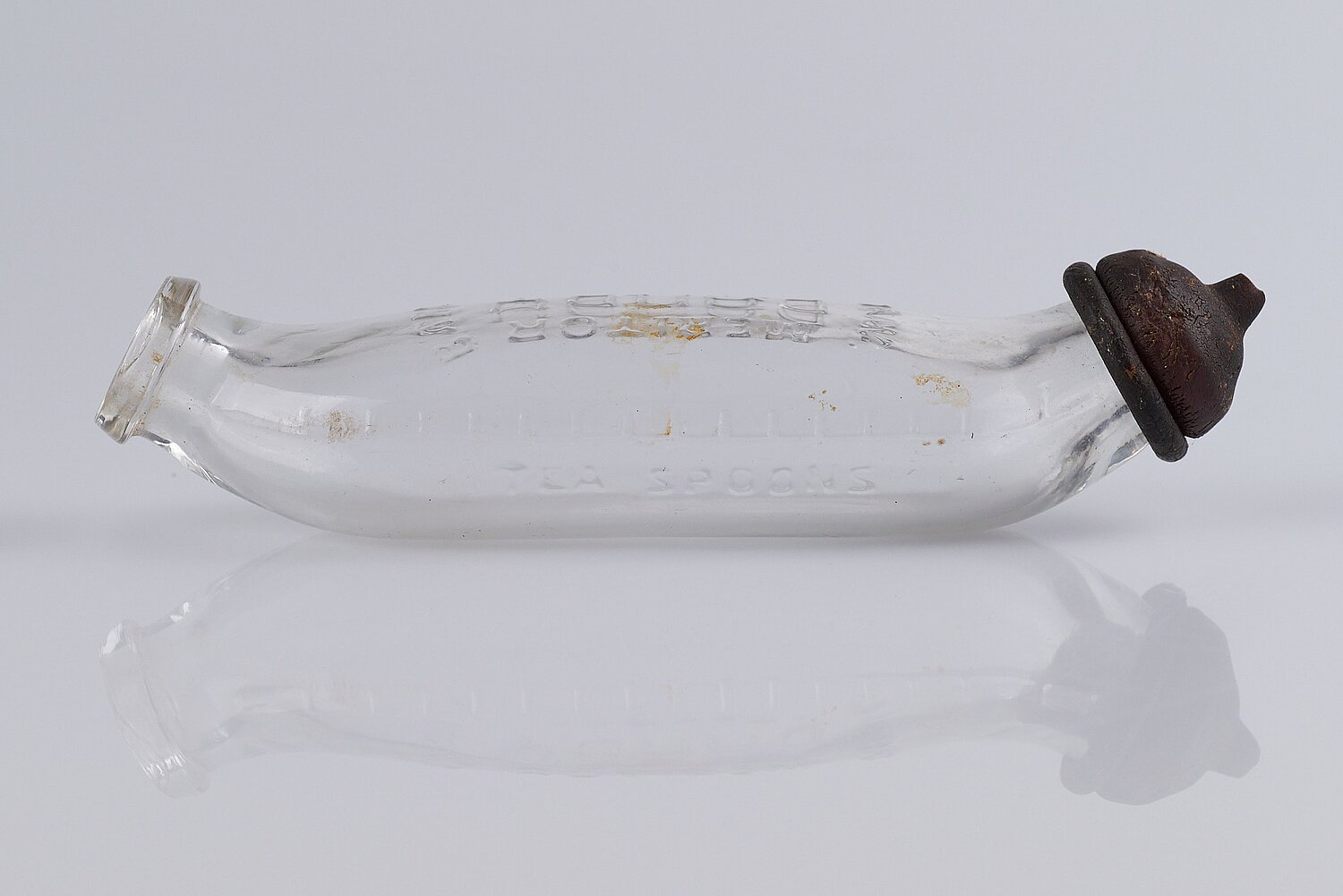
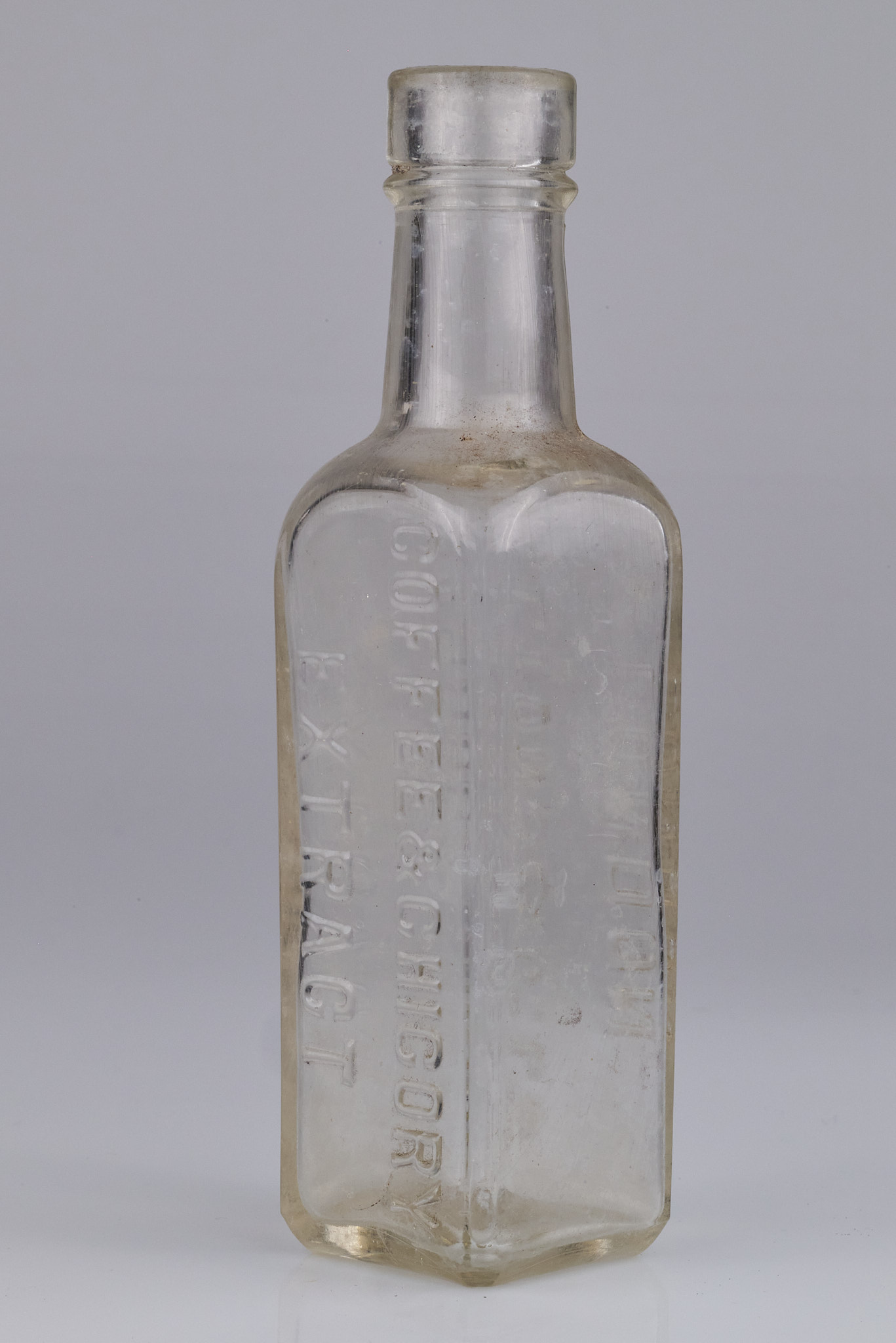
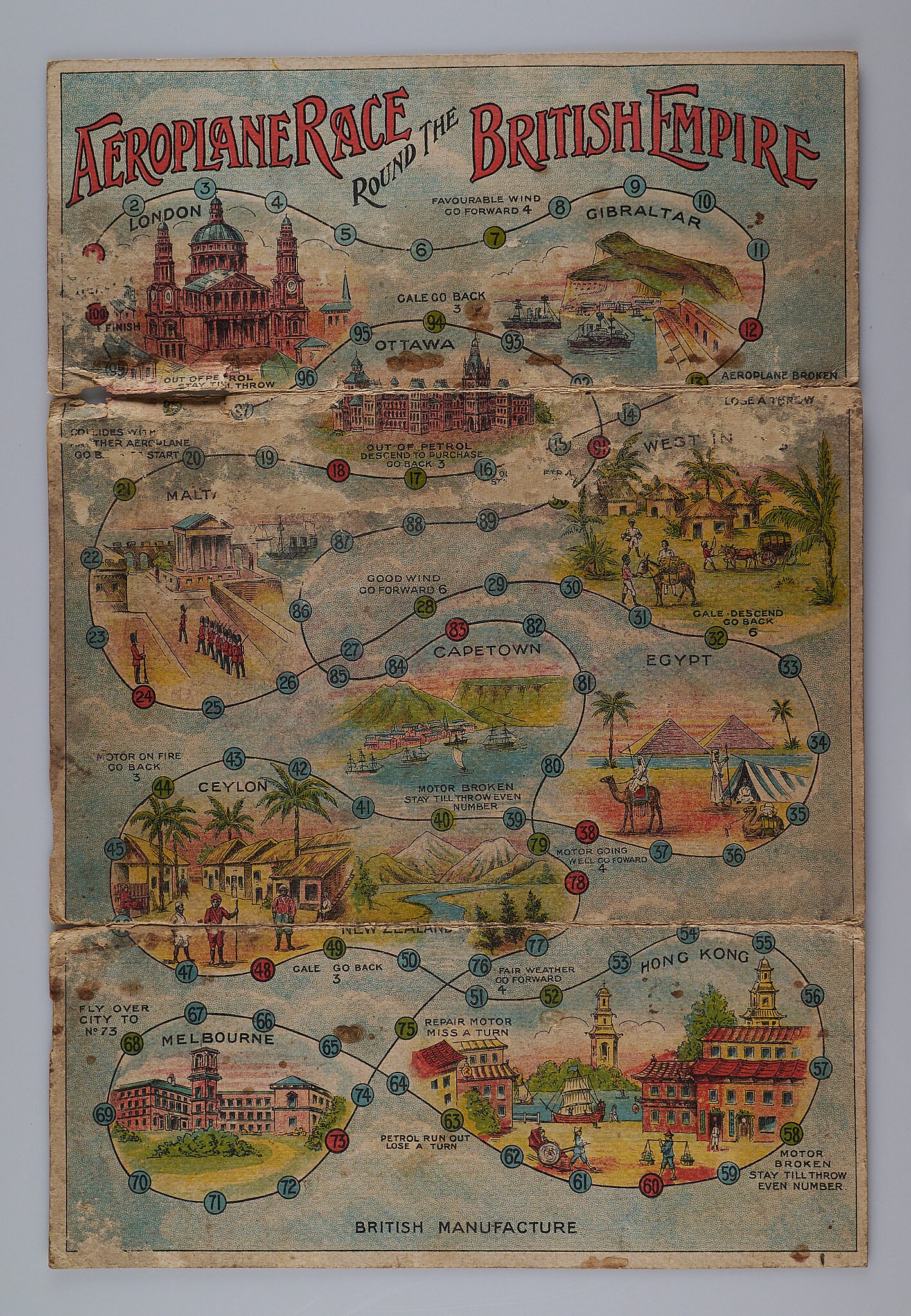
Many objects in Narberth Museum connect to natural resources taken from colonies, such as rubber, tea, coffee, sugar, and mahogany. These materials were often produced through forced or unfair labour. Even recent photographs show how racist stereotypes, such as blackface at carnivals, were once accepted but are now recognised as harmful. Looking honestly at these objects helps us understand the past more clearly and think differently about the everyday items we use today.
People's Collection Wales
Possible questions to discuss
- How can everyday objects tell stories about the past, even if they seem ordinary today?
- Why do you think objects linked to the British Empire still matter when we think about the world today?
- What role did natural resources—such as rubber, sugar, mahogany, tea and coffee—play in shaping the British Empire?
- How did the transatlantic slave trade benefit Britain economically, and who paid the human cost?
- Why might some histories, such as those of enslaved and Indigenous peoples, be difficult to find in museums or textbooks?
- What do you think people in Britain might have understood (or misunderstood) about the impact of the Empire at the time?
- How can photographs—such as those of Narberth Carnival featuring blackface—help us understand changing attitudes to race and representation?
- Why do you think stereotypes were accepted in the past, and why are they harmful?
- How did countries such as Belgium also engage in colonial exploitation, and why is it important to compare these histories?
- In what ways can learning these histories change how we think about the everyday products we use today?
Activities and experiences
- Object Detective: Museum Inquiry
- Mapping Empire
- Timeline of the British Empire
- “Follow the Object” Storyboard
- Analysing Historical Photographs
- Voices from the Empire: Perspective Cards
- Ethical Consumer Checklist
- Museum Curator Challenge
- Primary Source Caption Rewrite
- Decolonising the Classroom Display
Key concepts
(derived from the statements of what matters)
Humanities:
- Investigate
- Interpret
- Change and continuity
- Places
- Human Impact on the World
- Identity and Diversity
- Cause and effect
- Justice, inequality and rights
- Social Action
- Ethical and moral questions
The Expressive Arts:
- Understanding context in creative works
- Communicate ideas
- Exploring purpose and meaning
- Develop and refine designs
Health and Wellbeing:
- Communication, Help Seeking and Empathy
- Informed Choices and the impact of decisions
- Social Influences and Norms
- Identity and Values
- Rights and Respect
Language, literacy and communication:
- Reading Strategies
- Drawing conclusions
- The effect of grammatical constructions of the meaning of texts
- Responding to texts
- Vocabulary Development
- Communicate ideas and opinions (Oral)
- Collaborate and negotiate
- Writing for different purposes and audiences