Teacher Toolkit
Background
From time to time, you may hear the term “National Service” mentioned in television programmes, documentaries, or in conversations and social media. For many people today, especially younger generations, this phrase may feel unfamiliar or unclear.
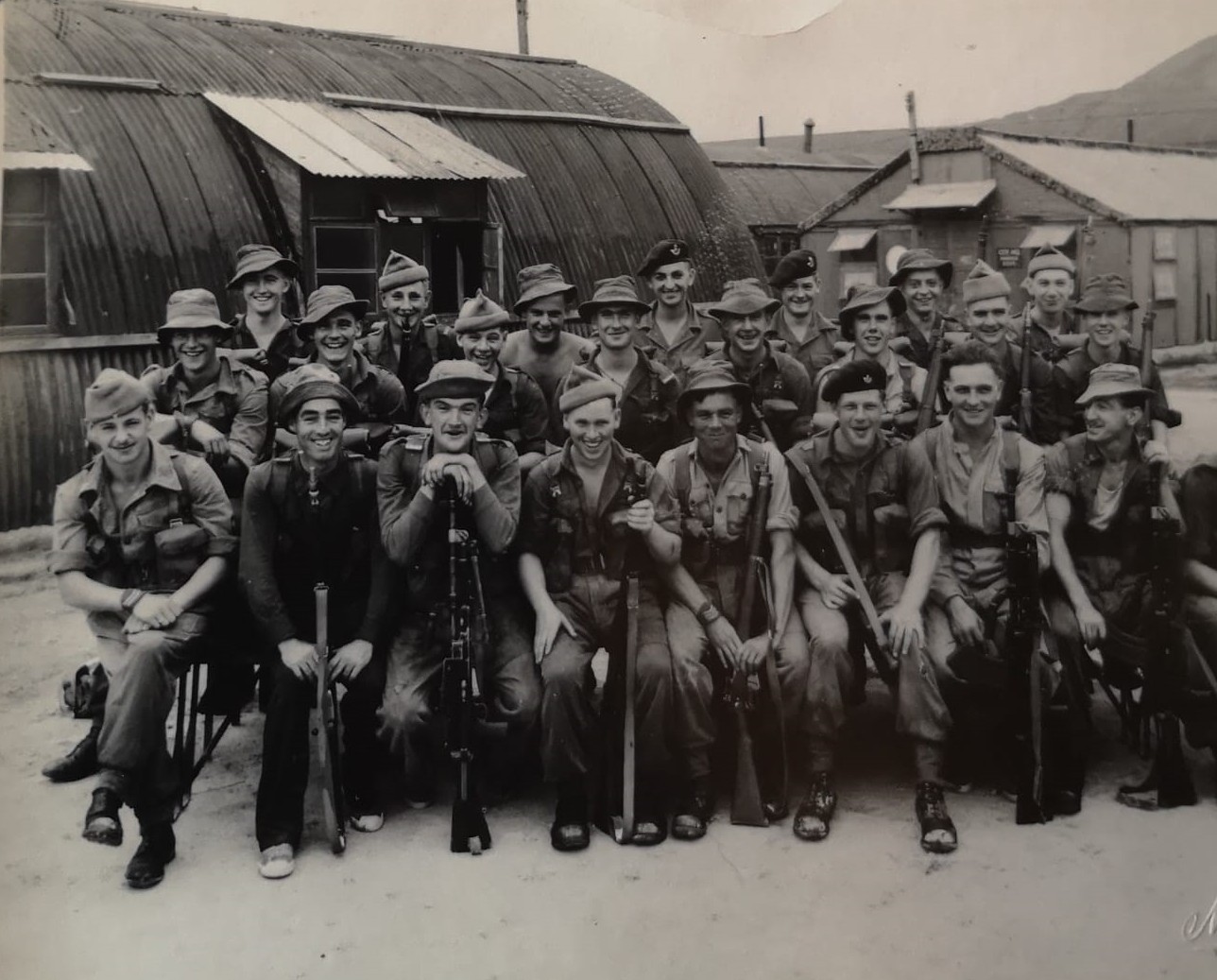
However, if we look back to the period between 1947 and 1963 in Wales and across the UK, National Service was a significant part of everyday life. During this time, many young men were required to spend a period of time in the armed forces. As a result, National Service became a widely understood part of society and was often discussed within families, workplaces, and local communities.
Its influence reached beyond those who served. It could shape family routines, friendships, employment opportunities, and future life choices. Different individuals and communities experienced National Service in a variety of ways, depending on their circumstances, roles, and perspectives.
Today, many people in Wales still have personal or family connections to National Service. Some remember their own experiences, while others recall stories shared by relatives or members of their community. These memories and accounts provide valuable insights into the past and help us to explore how life in Wales has changed over time, as well as what has remained important to individuals and communities.
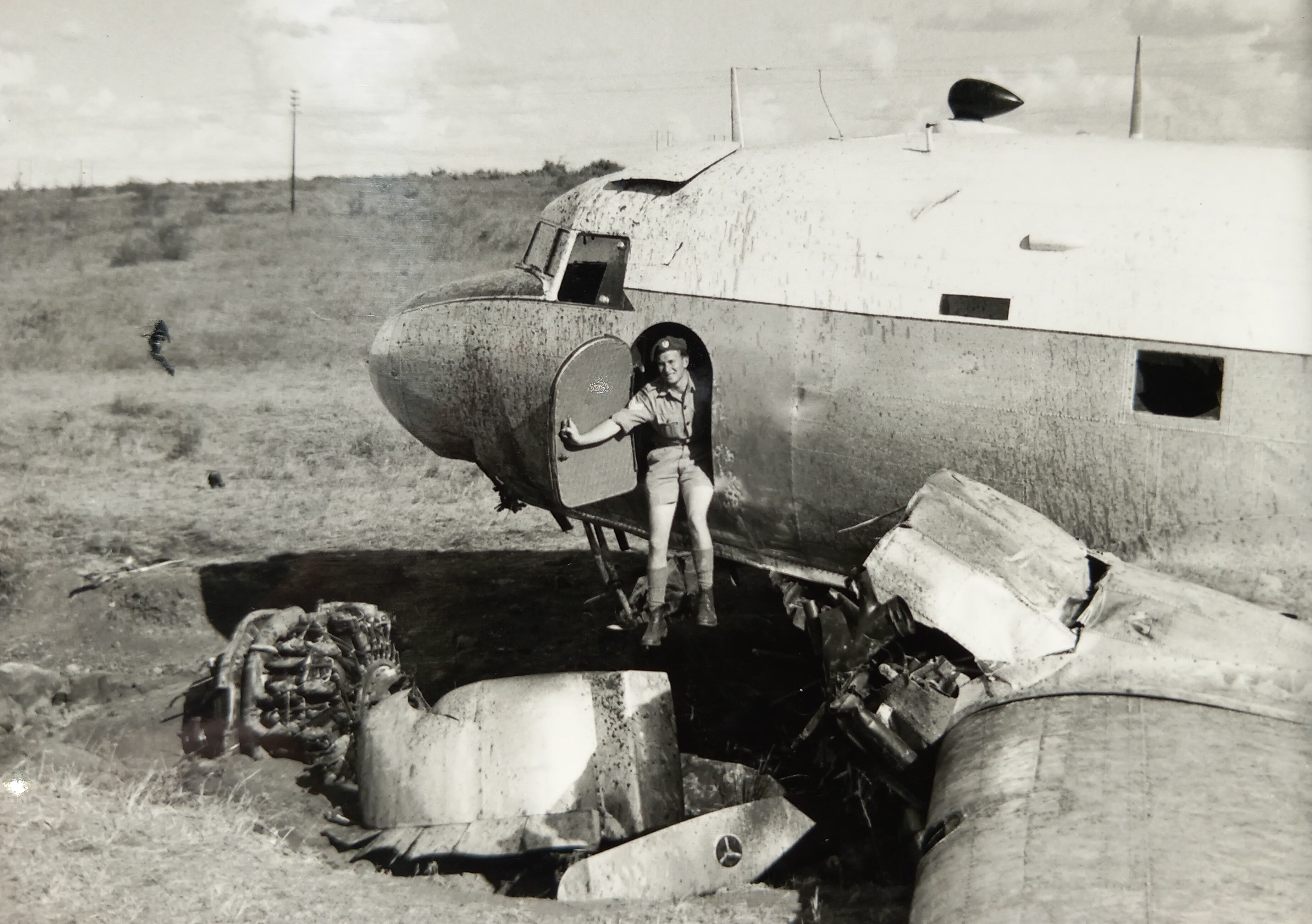
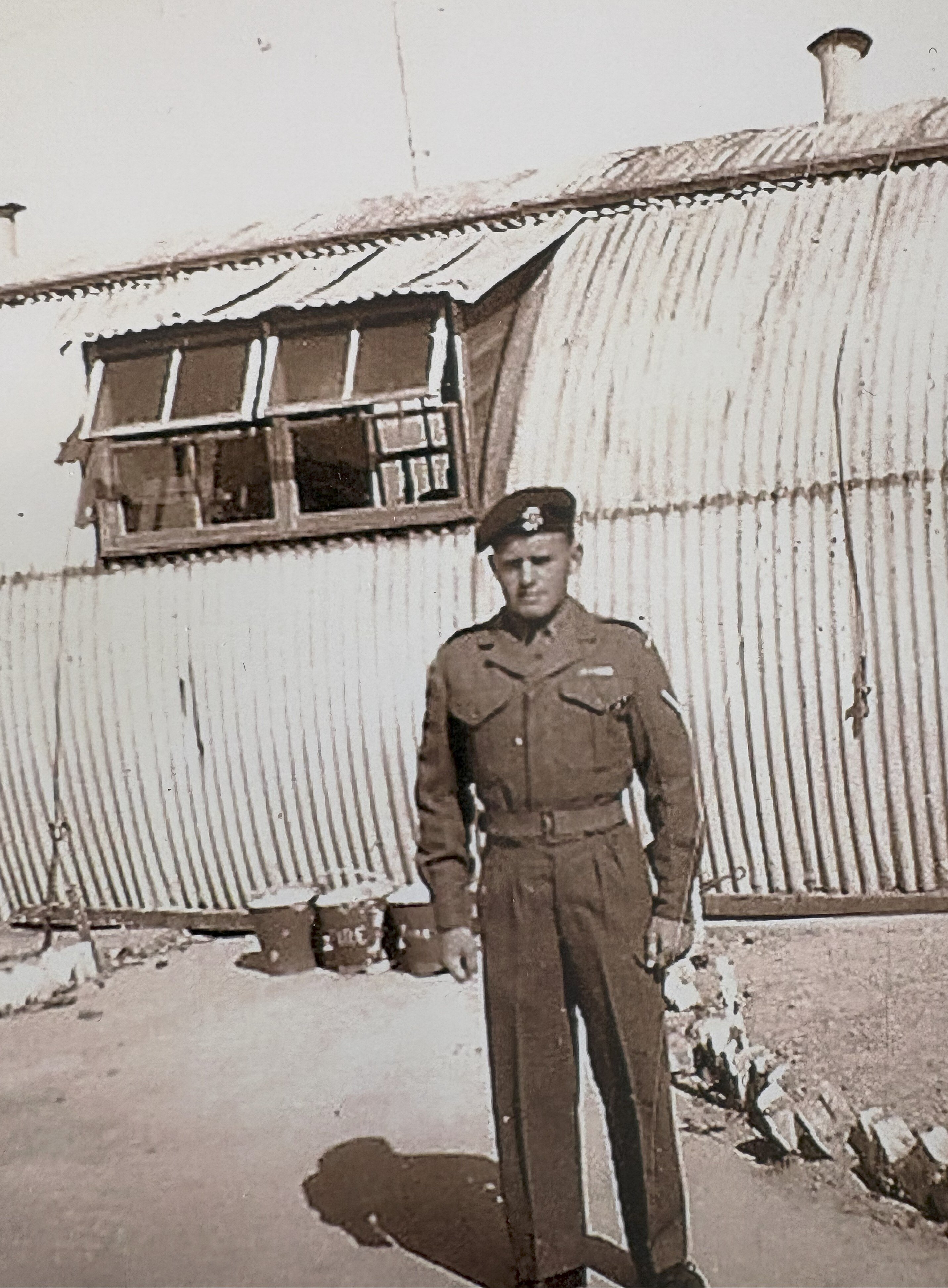
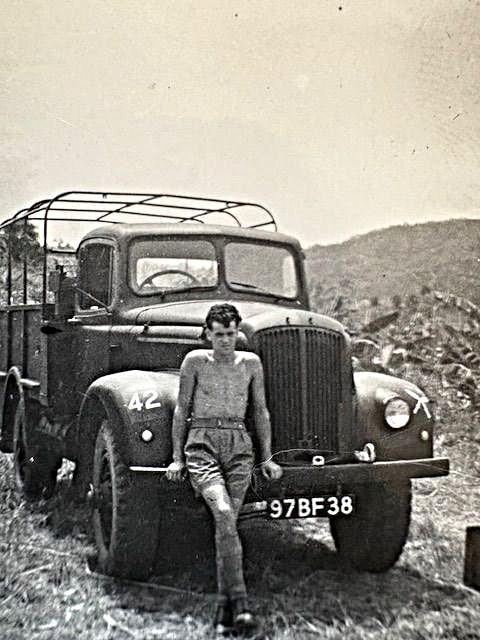
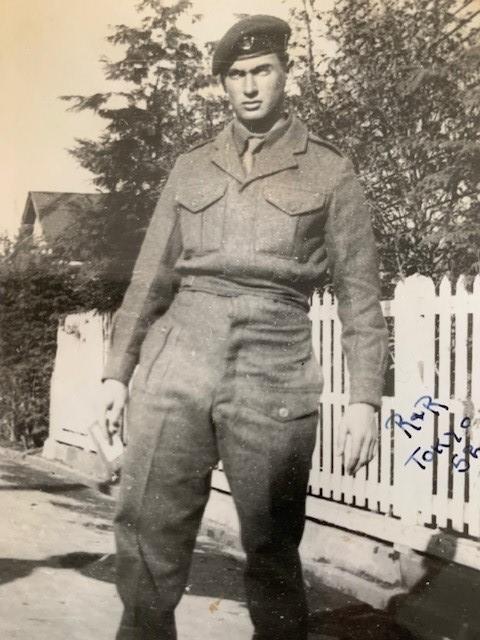
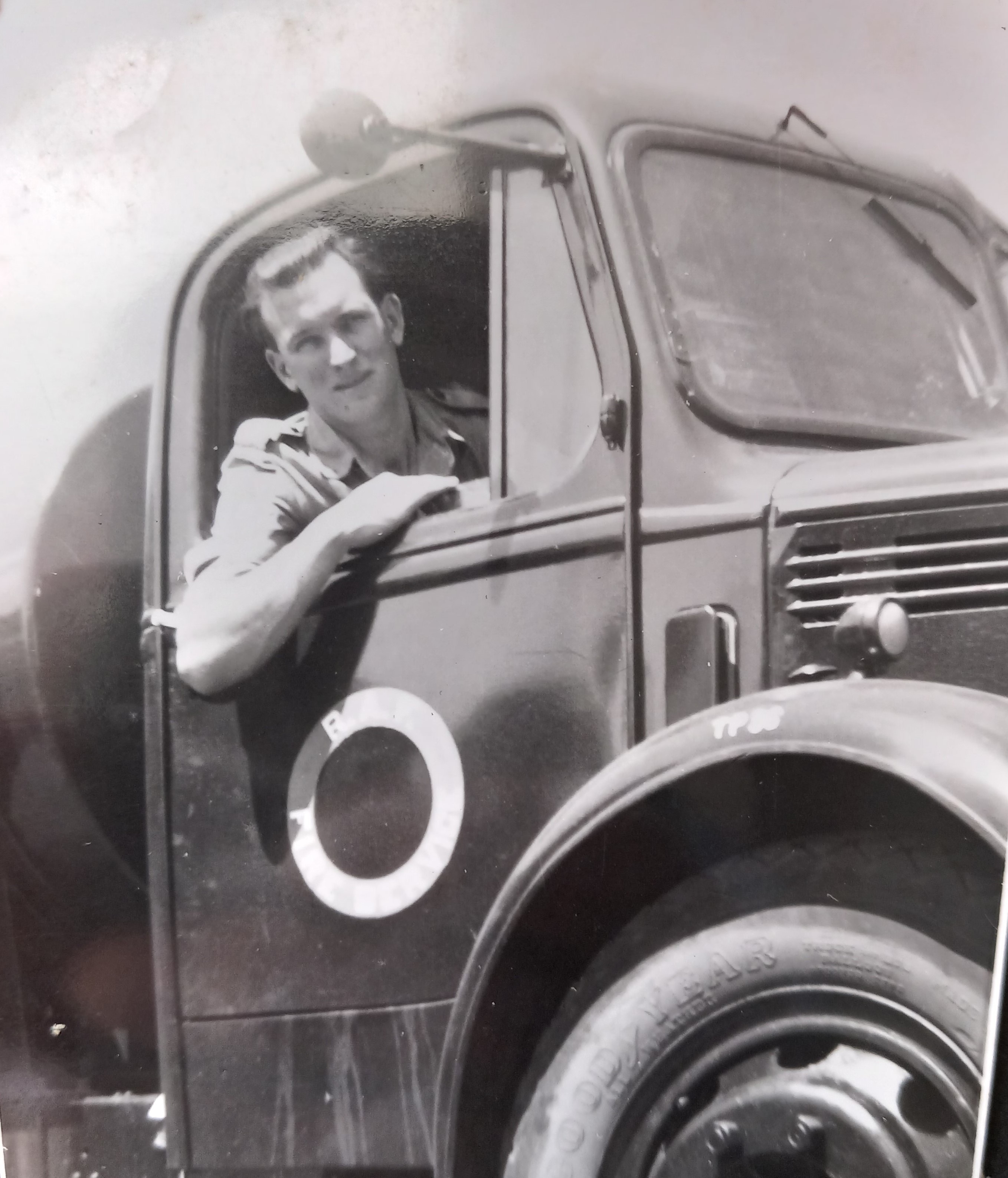
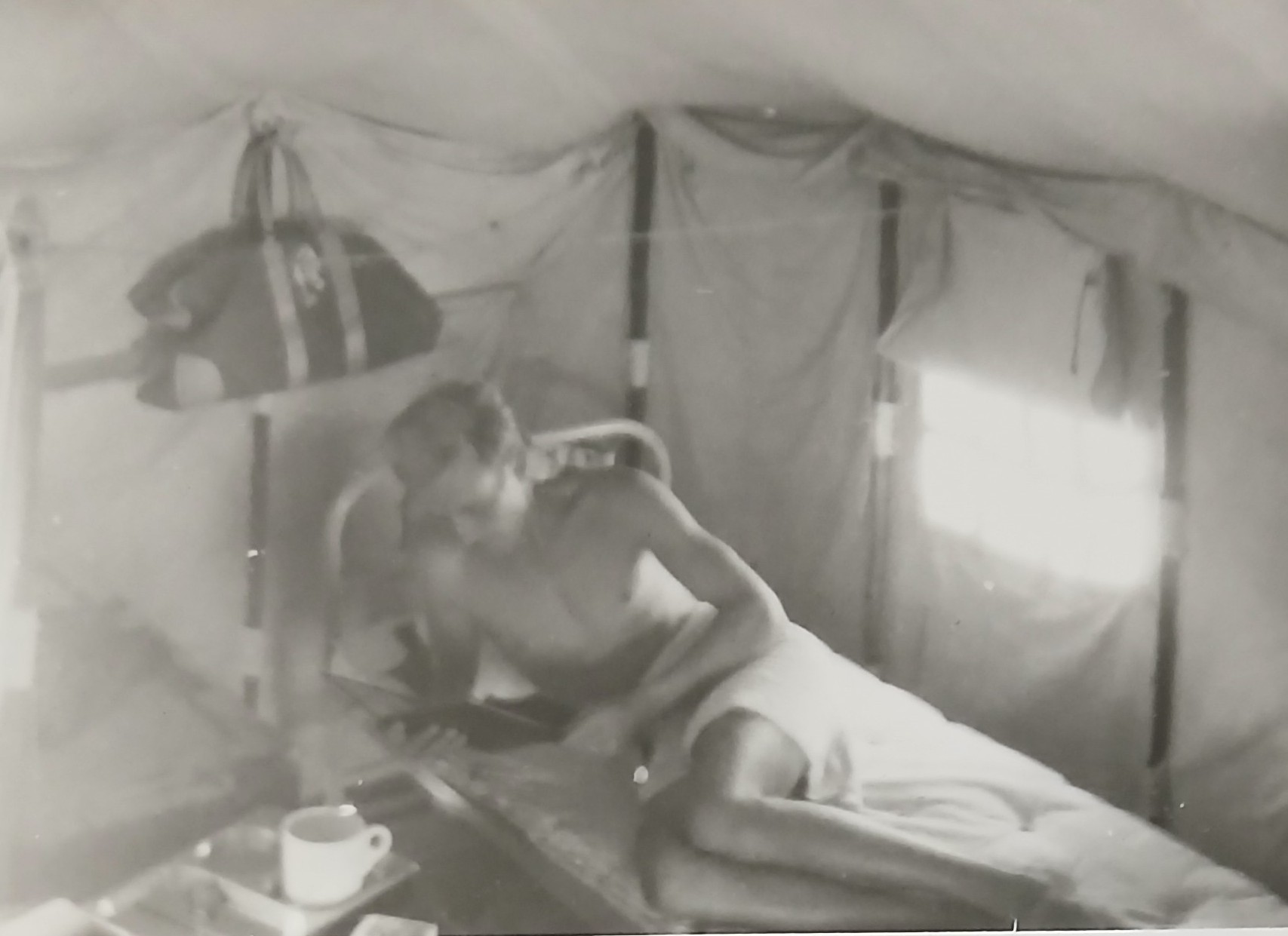
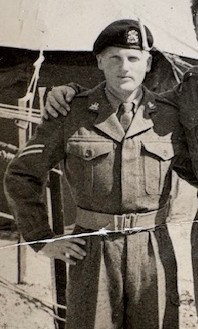
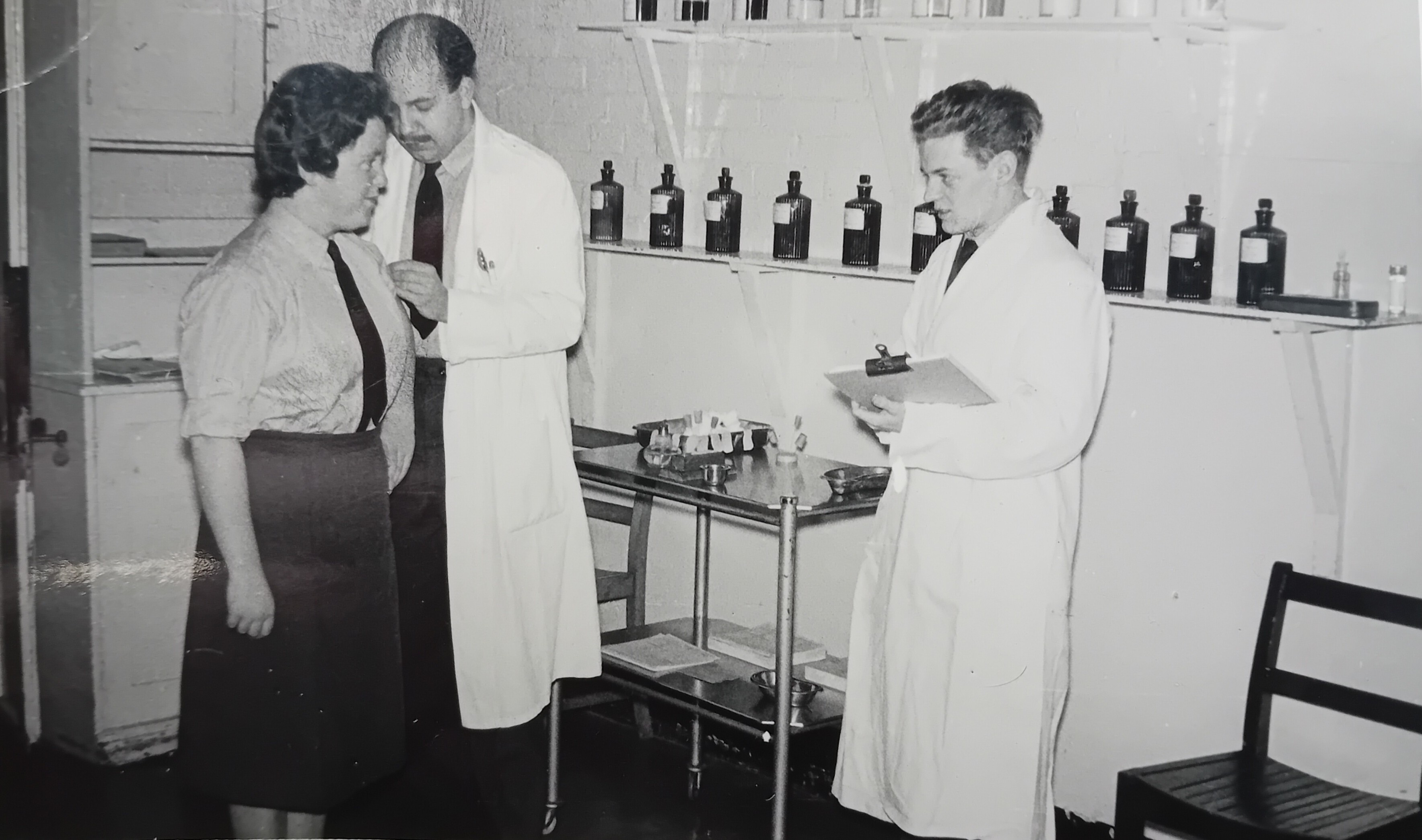
The West Wales Veterans Archive (WWVA) is a valuable resource for learning about these experiences. It was created in 2019 and is available on People’s Collection Wales. The archive includes interviews, photographs, and documents from people in Wales who served in the armed forces during the 20th century.
There are over 1,500 items available, which schools can use to support learning about history, identity, and community. The archive continues to grow and has won national awards for its work in preserving these important stories.
People's Collection Wales
Possible questions to discuss
- What are your thoughts, having viewed these short films?
- How did National Service affect young people living in Wales differently from those in other parts of the UK?
- Do you consider the stories and experiences of National Service documented in this collection to be Welsh heritage?
- What impact did National Service have on families and communities in Wales?
- Do you think Wales should value the experiences of people that completed National Service?
- How do personal stories from Welsh veterans help us understand life during National Service?
- What are your thoughts about compulsory conscription?
- What kinds of roles did Welsh conscripts take on during their National Service, and how do we know?
Activities and experiences
- Listening for Key Themes: Learners listen to one interview and identify 3-5 key themes
- Source Detective: Provide excerpts for enquiry
- Mapping Experiences: Learners map where each veteran served
- Interview: One learner takes on the role of a veteran; others ask questions
- Debate: Was National Service fair?
- Creative Writing: A Day in Service
- Compare and Contrast: Compare two veterans' experiences
- Identity and Wales discussion
- Mini Documentary Project: Create short videos in groups
- Then and Now Reflection: Compare National Service experiences with life for young people today
Key concepts
(derived from the statements of what matters)
Humanities:
- Investigate
- Interpret
- Change and continuity
- Places
- Human Impact on the World
- Identity and Diversity
- Cause and effect
- Justice, inequality and rights
- Social Action
- Ethical and moral questions
Health and Wellbeing:
- Communication, Help Seeking and Empathy
- Informed Choices and the impact of decisions
- Social Influences and Norms
- Identity and Values
- Rights and Respect
Language, literacy and communication:
- Reading Strategies
- Drawing conclusions
- The effect of grammatical constructions of the meaning of texts
- Responding to texts
- Vocabulary Development
- Communicate ideas and opinions (Oral)
- Collaborate and negotiate
- Writing for different purposes and audiences