Teacher Toolkit

Background

The Eisteddfod is the largest travelling cultural festival in Europe, held in a different part of Wales during the first week of August each year. The Eisteddfod has a long and fascinating history. The first Eisteddfod was held under the patronage of Lord Rhys at Cardigan Castle over the Christmas period in 1176, and the modern Eisteddfod has existed since 1861. It is a celebration of our culture and language, bringing together many art forms—from music and literature to the visual arts, science and technology—so there is something for everyone. 

A community project runs for up to two years in the host area to raise awareness, bringing communities together to organise a wide range of activities and events. The Eisteddfod’s impact on the local area is known as its legacy, and a great deal of work is done to develop that legacy across a number of areas. We have used these legacy areas as themes for our education pack, because they reflect different aspects of the festival and the wider project over time. In this pack, you will have the opportunity to look back at parts of the Eisteddfod’s history and learn about the Eisteddfod today. 

Enjoyable tasks and activities connect across areas of learning, helping to bring the Eisteddfod into the classroom and support a purposeful learning programme. You will step back into history through a range of engaging stories—from the Eisteddfod Pavilion at Aberdare in 1861 being blown away, to the Suffragettes disrupting the Prime Minister’s speech in the Pavilion at the Wrexham Eisteddfod in 1912. 

You will explore how the Eisteddfod has evolved over the years, and how the Maes (festival site) transforms from an empty field into a vibrant space welcoming over 175,000 visitors and around 1,000 different activities during the week—ideas that can be woven into everyday learning. This is a chance to experience Welsh social history in a completely new way. Do you know what shops were on your high street in the 1920s, and how that compares with towns in Wales today? Did you know that Eisteddfod competitions can be used as a lens on Welsh history after the First World War, reflecting social change across the country during the first two-thirds of the twentieth century? You can learn about all of this—and much more—through this National Eisteddfod education resource.

People's Collection Wales

Possible questions to discuss

  • Why do you think Lord Rhys organised the first Eisteddfod in 1176? What might it have meant to people at that time?
  • How has the Eisteddfod changed since 1861? What do these changes tell us about Welsh society?
  • What can stories like the 1861 Pavilion being blown away or the Suffragettes’ protest in 1912 teach us about history?
  • Why is it important to remember events that happened at the Eisteddfod in the past?
  • Why is the Eisteddfod important for Welsh language and culture today?
  • How does the Eisteddfod help people feel connected to Wales and each other?
  • Why is it important that everyone is welcome at the Eisteddfod, even if they don’t speak Welsh?
  • In what ways has the Eisteddfod stayed the same over 850 years? In what ways has it changed?
  • How can Eisteddfod competitions reflect changes in society (for example after the First World War)?
  • What differences might you see between a town in Wales in the 1920s and today? How could the Eisteddfod help us understand those changes?
  • How does hosting the Eisteddfod affect a local community?
  • What skills do people need to organise an event like the Eisteddfod?
  • What do you think the “legacy” of the Eisteddfod means for an area after it leaves?
  • Why do you think the Eisteddfod includes so many different areas (music, art, science, technology)?
  • If you were designing your own Eisteddfod, what activities or competitions would you include, and why?

Activities and experiences

  • Create a Timeline of the Eisteddfod
  • Design Your Own Eisteddfod Poster
  • Role Play: Historical Moments
  • Build a Model of Y Maes
  • Compare Then and Now
  • Create a Mini-Eisteddfod in Class
  • Debate: Why Does the Eisteddfod Matter?
  • Explore Welsh Identity
  • STEM Challenge: Plan an Event Site
  • Creative Writing: A Day at the Eisteddfod
  • Make and Design Your Eisteddfod Programme
  • Write and present a Competition Brief

Key concepts

(derived from the statements of what matters)

Humanities:
  • Investigate
  • Interpret
  • Change and continuity
  • Places
  • Human Impact on the World
  • Identity and Diversity
  • Cause and effect
  • Justice, inequality and rights
  • Social Action
  • Ethical and moral questions
The Expressive Arts:
  • Understanding context in creative works
  • Communicate ideas
  • Exploring purpose and meaning
  • Develop and refine designs
Health and Wellbeing:
  • Communication, Help Seeking and Empathy
  • Informed Choices and the impact of decisions
  • Social Influences and Norms
  • Identity and Values
  • Rights and Respect
Language, literacy and communication:
  • Reading Strategies
  • Drawing conclusions
  • The effect of grammatical constructions of the meaning of texts
  • Responding to texts
  • Vocabulary Development
  • Communicate ideas and opinions (Oral)
  • Collaborate and negotiate
  • Writing for different purposes and audiences
Eisteddfod Y Garreg Las (2026)

Eisteddfod y Garreg Las is coming to Llantwd, in north Pembrokeshire, from 1–8 August 2026, and it promises to be a very special experience. People will come from all parts of Wales and beyond, with many international visitors expected. Over 175,000 visitors are expected during the week, so it will be a busy and lively place! Preparation work has been taking place since December 2024, with the local community and hundreds of volunteers working very hard to raise money, organise events, and create a festival to remember. Everyone is welcome here – there is no need to speak Welsh, but it is a great opportunity to hear and enjoy the language in a friendly way. The Maes (festival field) itself will be like a large village, spread over about 35 acres of land, with tents of all shapes and sizes everywhere. 

The planning and map design started before Christmas, and the work of building sets and preparing materials has been happening for almost a year. Around every corner there will be something to see and do – over 1,000 events and up to 250 stands. There will also be more than 900 caravans on site, with people staying there throughout the week to enjoy the activities. Competition is at the heart of the festival in the Pavilion, with more competitors than ever before, including around 70 choirs. There will also be the colourful Gorsedd ceremonies on Monday, Wednesday and Friday. But it is not only about competition – there is something for everyone, of all ages. There will be top Welsh bands and artists on the Maes Stage, traditional music in Tŷ Gwerin, and a variety of music in Encore. 

Y Lle Celf becomes a national gallery for the week, and in the Science and Technology Village you can try fun STEM activities. There will also be street theatre, sports, dance, and a village for Welsh learners. This year is especially important as the Eisteddfod celebrates 850 years. Everything is happening on the doorstep of the Garreg Las area – so come and enjoy and celebrate with us. You will receive a very warm welcome!

Celebrating the 850

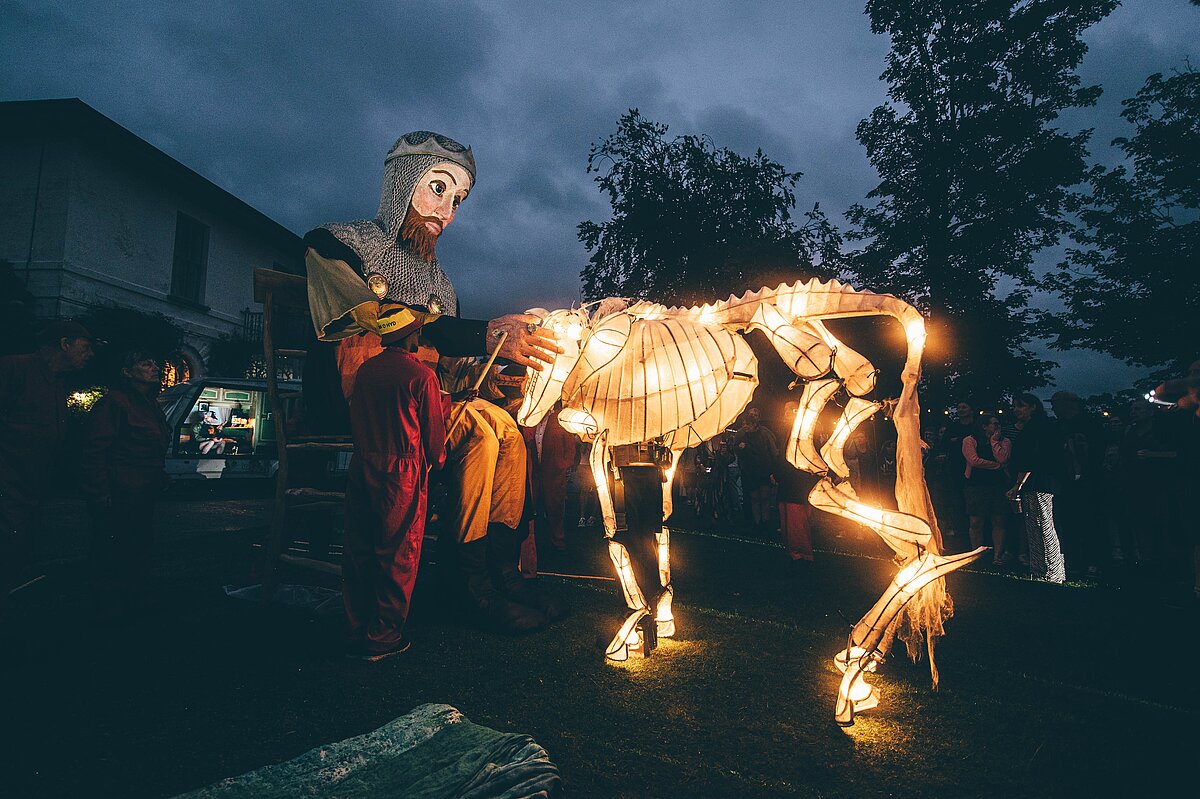
In 2026, the National Eisteddfod is celebrating its 850th anniversary. As part of the celebrations, the Eisteddfod ran a project called Milltir Las: The Lord Rhys Journey. A giant puppet of Lord Rhys and his dog Teifi travelled around the Eisteddfod area in Pembrokeshire, south Ceredigion and west Carmarthenshire, visiting towns and villages that were home to some of Wales’s most famous poets.

The project ended with a major event at Cardigan Castle. After a large procession through the town, leading poets of the day and the Eisteddfod Chair arrived at the castle in a flotilla on the river, and the Crown arrived on horseback, before everyone was led into the castle for an event to celebrate the Eisteddfod’s 850th anniversary. Many activities to celebrate will also take place on the Eisteddfod Maes in Llantwd from 1 to 8 August.

Yr Arglwydd Rhys and The Eisteddfod

Rhys ap Gruffudd, known as The Lord Rhys, was one of the most important princes of Wales in the 12th century. He was the ruler of Deheubarth in south-west Wales, and after the death of Owain Gwynedd in 1170, he was seen as the leading political force in Wales. Although he had a difficult childhood, marked by major losses for his family, he developed into a strong and determined leader. 

During his lifetime, Rhys succeeded in regaining his lands through fighting and by forming alliances with other Welsh princes. His relationship with the kings of England was complex, but in 1171 he was recognised as the lawful ruler of Deheubarth. He was also a supporter of culture and the church in Wales. He is recognised as the patron of the first Eisteddfod, held at Cardigan Castle at Christmas in 1176. He died in 1197, and he is remembered today as a capable and influential leader in the history of Wales.

Eisteddfod 1176

In 1176, Lord Rhys ap Gruffydd held a historic gathering at his new castle in Cardigan, where poets, musicians and performers competed for the honour of the bardic chair. He held two major competitions at Cardigan Castle; one in poetry, and the other in music. This occasion established a tradition that continues today in the National Eisteddfod of Wales, Europe’s largest travelling cultural festival, which celebrates the Welsh language, the arts and heritage. 

The event showed that Lord Rhys was a passionate supporter of Welsh culture. By organising the festival, he strengthened his position as the leading prince of Wales and helped to keep poetry, music and the Welsh language at the heart of national life in Wales. The history of the festival can be seen in the Chronicle of the Princes manuscript and every eisteddfod since then traces its roots back to this important festival in Cardigan.


Chronicle of the Princes, Peniarth 20, c. 1330


Cardigan Castle

The first castle at Cardigan was built around 1093 by the Normans, and ownership changed several times over the centuries. In 1166, Lord Rhys captured the castle, and in 1171 he began rebuilding it in stone as a symbol of his power. After his death in 1197, there was much fighting over the castle between Welsh princes and the Normans, and it was rebuilt several times. The remains seen today, overlooking the River Teifi, date from the 1200s. 

Later, the castle was damaged during the English Civil War and was used as a prison. In the 1800s, Castle Green House was built within the castle walls. By the 1900s, the buildings were in poor condition, but in 2003 the site was purchased by Ceredigion County Council and major restoration work began. Cardigan Castle reopened to the public in 2015. Today, it is home to accommodation, a restaurant, a heritage centre, historic gardens, and a venue for events and community activities.


Cardigan Castle by James Netwon, c. 1786


Culture and Language

The Eisteddfod has a major impact on the culture of Wales by promoting the Welsh language across all kinds of arts. Through singing, music, poetry, drama and dance, it gives people a platform to use Welsh creatively and confidently. This helps to keep the language alive and relevant in the modern world. The Eisteddfod also supports modern Welsh culture. Alongside old traditions, there is space for contemporary bands, new artists, modern literature and contemporary art. This shows that the culture of Wales continues to develop and has not been left in the past. 

The impact is especially strong for young people. By taking part in competitions or visiting the Maes, many build confidence, learn new skills and develop pride in their Welsh identity. For some, the Eisteddfod is a first step towards careers in music, the media or the arts. 

More widely, the Eisteddfod brings communities across Wales together and promotes a sense of belonging. It celebrates the cultural diversity of Wales and shows that Welsh culture is alive, strong and relevant to everyone today.

Culture and The Eisteddfod

The Eisteddfod is an important festival that celebrates the Welsh language and the culture of Wales. People of all ages come together to take part and to enjoy what the Welsh language has to offer in an enjoyable and exciting way. Competition is a central part of the Eisteddfod. There are competitions in singing, music, poetry, recitation, dance and drama. These give people the opportunity to show their talents, build confidence and use Welsh in a creative way. 

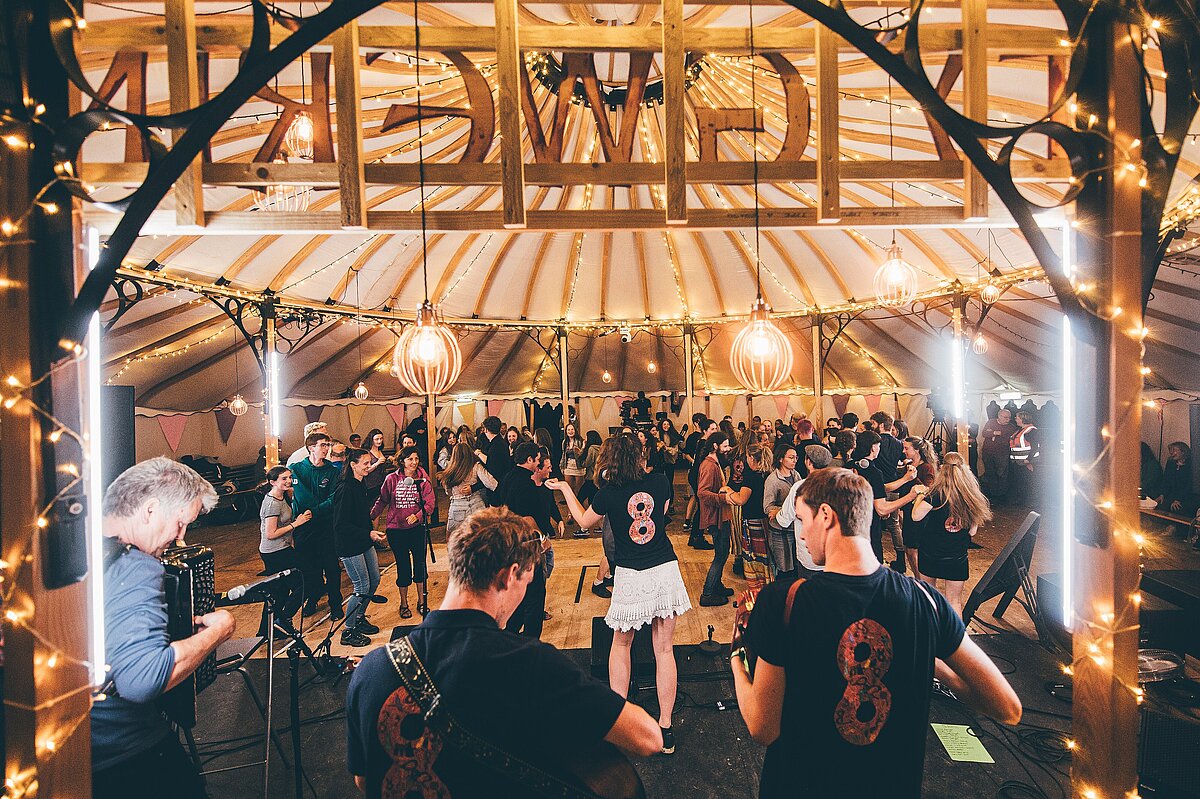
The Maes is a busy and colourful place where there is a great deal to see and do. There are live performances, stalls, family activities and opportunities to meet new people. The Maes shows that Welsh is a living language which is part of modern life. The Eisteddfod is very important to our language and culture today. It encourages people to use Welsh and to be proud of it. By bringing people together, the Eisteddfod helps to keep Welsh strong for the future. 

The Eisteddfod has a long history dating back to 1176, when Lord Rhys held an Eisteddfod at Cardigan Castle. There, poets and musicians came together to compete and receive prizes for their talents. From the beginning, the Eisteddfod was a way of celebrating and keeping the culture of Wales alive. The modern National Eisteddfod began as an annual festival in 1861, and since then it has travelled around Wales every year. The Eisteddfod today combines old traditions with modern culture, reflecting the development of Wales and the Welsh language over time. 

Important ceremonies are at the heart of the Eisteddfod, such as the Chairing and the Crowning, which honour poetry of the highest standard. Alongside these, there is a wide range of other competitions, including singing, music, dance and drama. The Blue Ribbon, for example, is a very important singing competition for young voices. Over the years, many famous winners have emerged through the Eisteddfod. The world-famous opera singer Bryn Terfel is an example of an artist who succeeded on the Eisteddfod stage and went on to have an international career. Contemporary poets such as Mererid Hopwood, Rhys Iorwerth and Guto Dafydd have also won major prizes, showing that the Eisteddfod continues to be an important centre for our language and culture today.

Community

The National Eisteddfod is a major project that brings communities together. Preparations begin up to two years before the festival, with a public meeting where everyone can come to hear more and get involved. A working committee is elected, and local people then begin thinking about creative ideas. They also create the list of subjects – the competitions for things like poetry, singing and writing. 

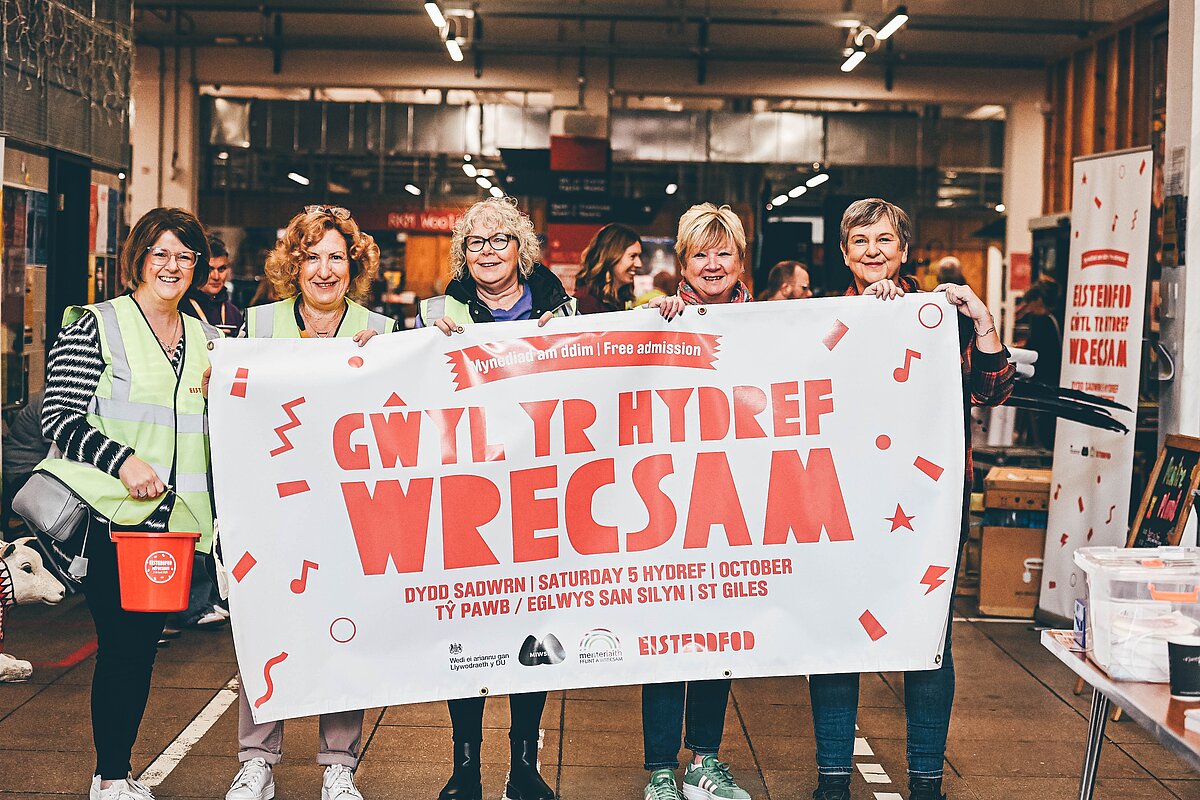
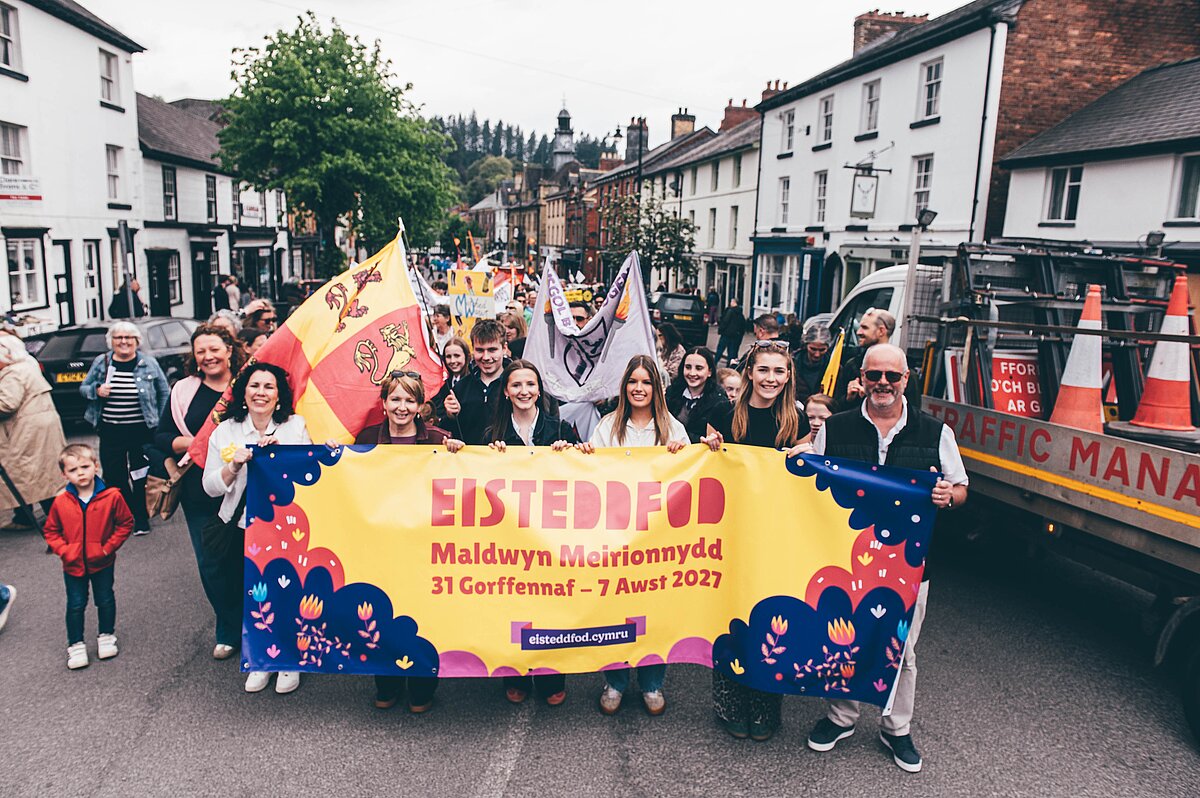
As the planning moves forward, the community is divided into areas (or wards), and fundraising and promotion begin. Many activities take place, such as social evenings, concerts and community events, to raise money and let people know that the Eisteddfod is on its way. Sometimes, this is the first time some people attend Welsh-language or bilingual events, which helps make the language feel more familiar and more appealing. 

All of this helps people feel that the Eisteddfod belongs to them. During the festival, the area is able to show its own character and identity. After the Eisteddfod has finished, some people decide to learn Welsh, and many of the activities continue. That is what makes the Eisteddfod special – it is not just a week of enjoyment, but something that makes a difference to the community for years afterwards.

Behind The Scenes

Creating the National Eisteddfod begins almost as soon as the previous festival ends, and it takes months of careful planning. First, the organisers need to find a suitable site with enough flat land to create the Maes, as well as space for caravans, camping, parking and Maes B for young people. The plan changes again and again as the organisers try to get everything just right – in fact, there can be up to 25 different versions before the official map for Eisteddfod week is ready. 

Work on the site begins in June, with the first stage focusing on building the infrastructure – temporary roads, electricity and water pipes. Then the buildings and stalls are put in place, creating a lively festival site. During planning, many factors have to be considered, such as how flat the land is, keeping noisy areas apart, and making sure there is a good mix of activities and stalls to make the experience exciting for everyone. Many preparations also happen in advance at the workshop in Llanybydder, Carmarthenshire, where sets, decorations and parts of the stages are built before being transported to the Maes in large lorries.

But building the Maes is not the only important part – the creative work matters just as much. The local community begins preparing about 18 months to 2 years in advance, creating the artistic programme and drawing up the list of competition themes. This includes choosing different topics for poetry, music and literature, and organising hundreds of activities for people to enjoy. During the week itself, the numbers are astonishing – around 450,000 gallons of sewage, 5 miles of toilet paper, 6 miles of electric cables and 3 miles of water pipes! Every year, the Eisteddfod is different, with the character and voice of the local community making each one unique.

Related resources

Gorsedd of the Bards

Gorsedd of the Bards

The Gorsedd, established in 1792 by Iolo Morgannwg, is an integral part of the Eisteddfod Festival.

In the Pavillion

In the Pavillion

The pavilion plays a central role in the National Eisteddfod as the main venue for competing.

History of the National Eisteddfod

History of the National Eisteddfod

In 1176 Lord Rhys hosted the first known ‘eisteddfod’.